Brighton Design Futures Sessions
Overview
An educational workshop applying SiD in a three-day format at Brighton University's 'Design Futures' program. The workshop demonstrated SiD's effectiveness as a pedagogical tool for teaching systems thinking to design students from multiple countries and disciplinary backgrounds. It remains one of the clearest examples of how SiD's framework translates into hands-on creative process.
Setting
University of Brighton, August 2014, in cooperation with design theorist Damon Taylor. Approximately 30 students from 15 countries participated, representing product design, architecture, graphic design, and urban planning. The diversity of backgrounds was deliberate: SiD's systems approach gains strength from multiple disciplinary perspectives converging on the same challenge. Each student brought different analytical habits and design vocabularies, forcing groups to communicate across domains rather than retreating into familiar disciplinary silos.
Five Challenge Areas
Each group tackled a complex social challenge in Brighton:
- Reintegration of homeless persons into functional lifestyles
- Youth abandonment issues
- Elderly disease and care
- Teenage lifestyle extremes
- Inclusion of people with physical disabilities
These themes were chosen for their complexity and resistance to single-discipline solutions. Each requires the kind of cross-domain thinking that SiD formalizes: simultaneous attention to social dynamics, physical infrastructure, economic systems, and cultural context. No single design discipline could address them alone.
Working Method
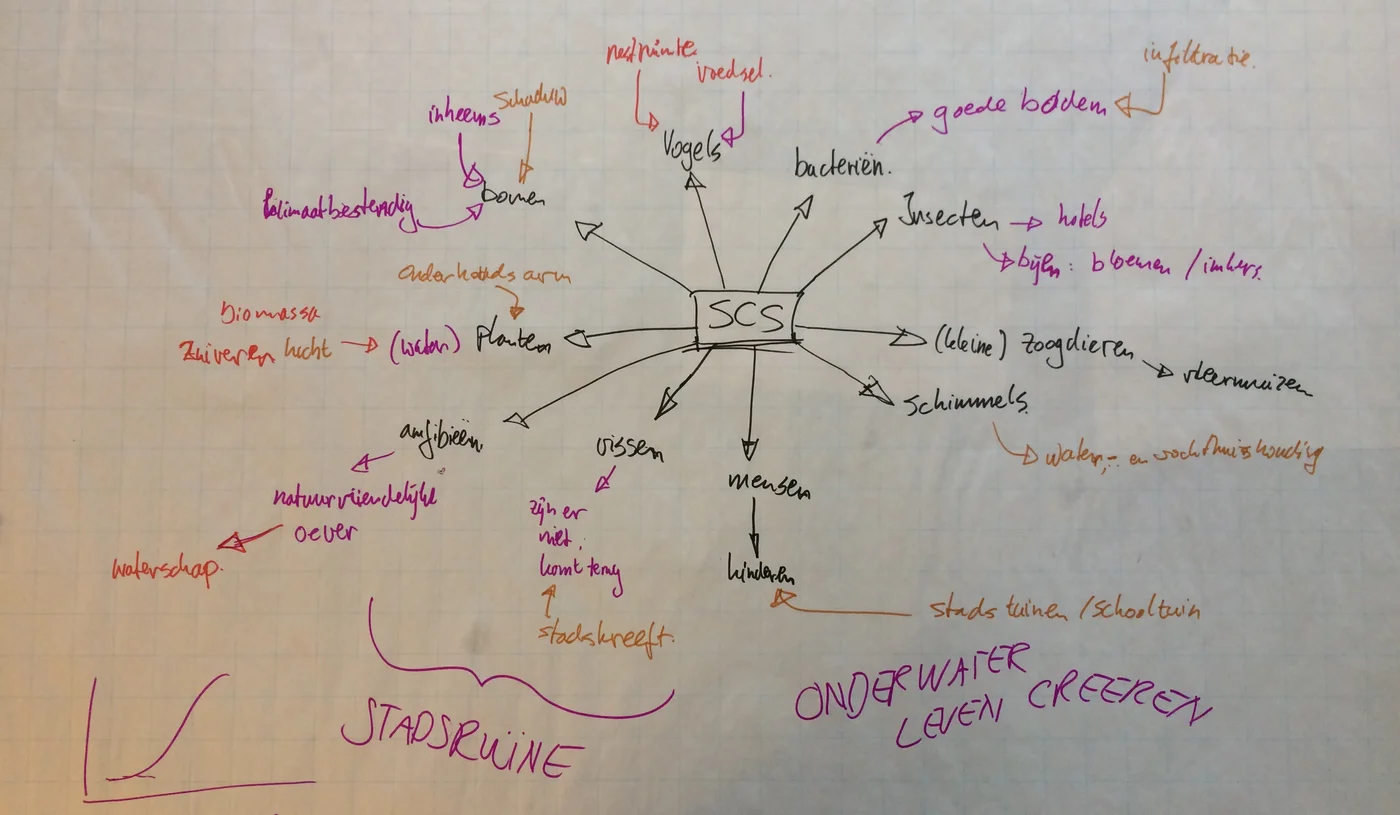
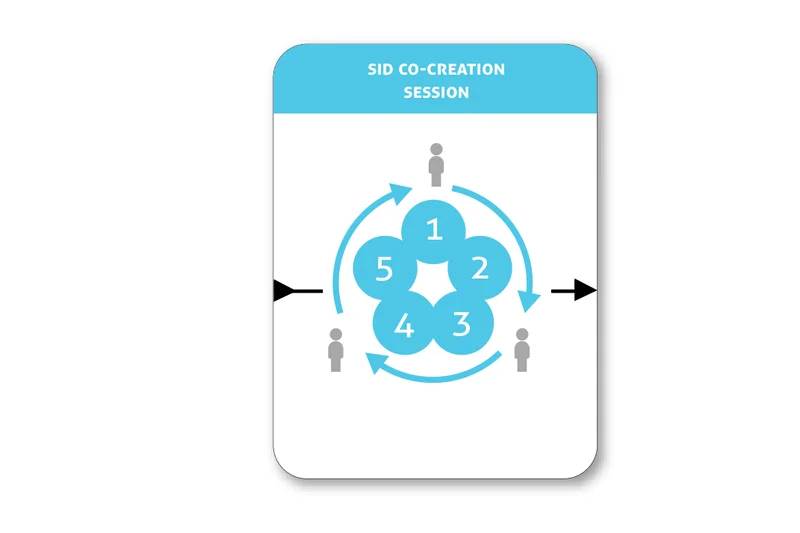
Groups of five created large-scale visual models (approximately 2m by 4m) using the SiD framework. Groups worked in three sessions spread over five days, with full-day primer sessions on systemic design and social change in between. The physical scale of the models was intentional: mapping a system's components, flows, and feedback loops demands space that screens cannot provide.
Day 1
SiD introduction, theme allocation, three lectures on systems thinking covering feedback loops, leverage points, and multi-scale analysis. Initial analysis and mapping exercises established the scope of each group's system.
Day 2
Rough prototyping and model production. Two lectures on leverage points and intervention design. Solution development began with groups identifying where small changes could cascade through their mapped systems.
Day 3
Final production, presentations to panel and peers, film screenings of group narratives, social gathering. Each group defended their systems analysis and proposed interventions before the full cohort.
Outcomes
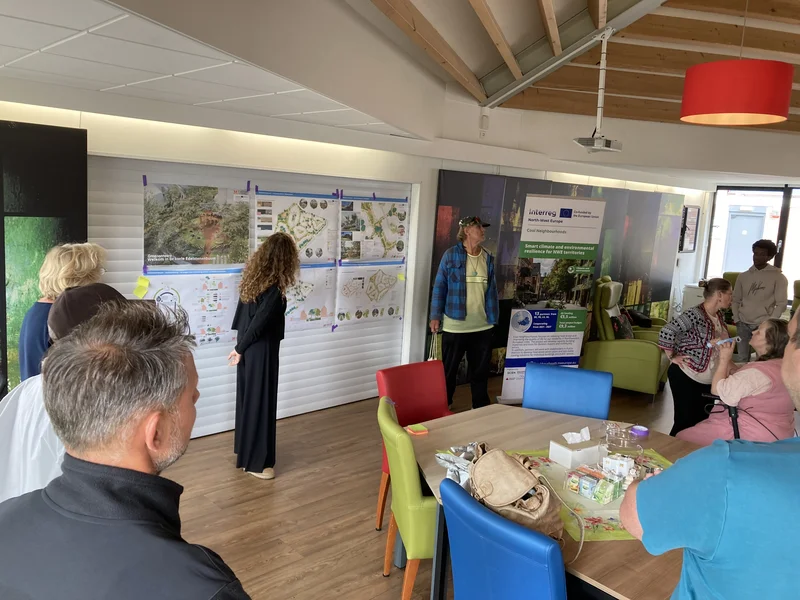
100% attendance across all five groups, a notable achievement for a voluntary intensive workshop. Each group produced system solution maps and short narrative videos documenting their analysis and proposed interventions.
The workshop was 'universally recognized as insightful, educational, and greatly revealing.' All groups reported the experience as 'among the best and most educational workshops they experienced.' Students noted particular value in being forced to connect social issues to material flows, economic structures, and ecological constraints simultaneously, rather than treating them as isolated design briefs.
Areas for improvement identified: venue space was somewhat limited for the scale of visual models, and additional time for deeper system analysis would have strengthened the solutions. A future iteration would benefit from a dedicated day between analysis and solutioning to let insights settle.
Stakeholders
Hove Park School, Brighton Freegle, The Future Perfect Company, and Brighton DV8 contributed real-world context and challenge framing for the student groups.
Key SiD Methods Used
- Process Design adapted for educational workshop format
- Initiation Phase with multi-disciplinary, multi-national teams
- System Mapping through large-scale physical visual models
- Solutioning using leverage point identification across social systems
Related Reading
- Process Design (Documentation)
- The SiD Process (Documentation)