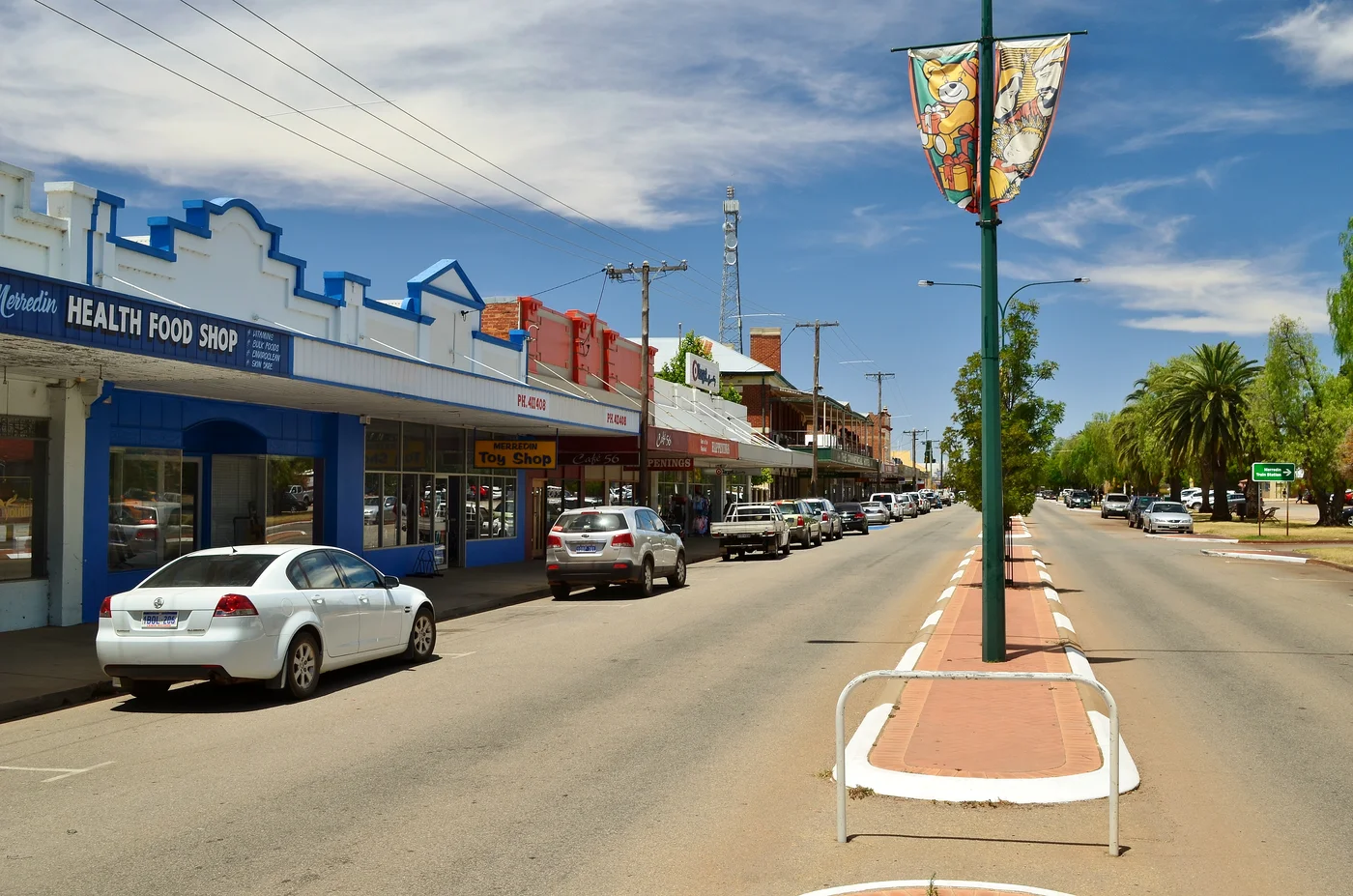
Merredin Spirulina Algae Farm
This case study documents a project executed in 2000/2001 in Western Australia. It was the first project to apply the SiD framework and has been documented as a learning resource.
The Challenge
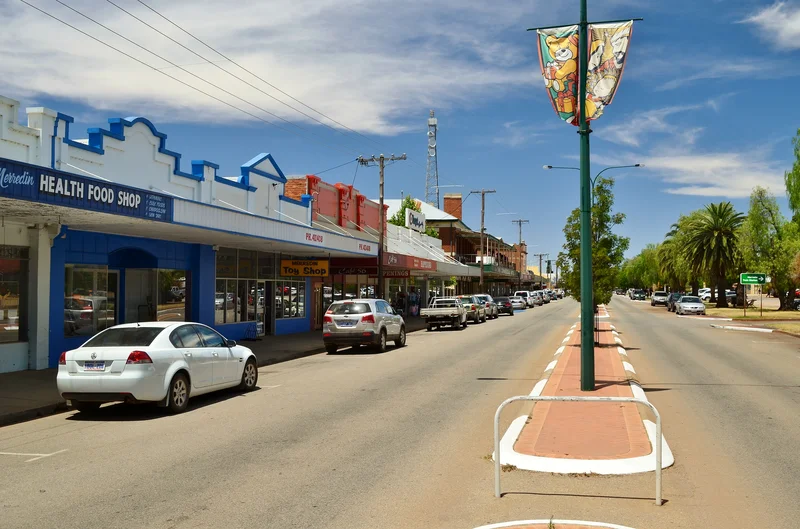
Merredin is a small town in a semi-arid region of Western Australia, about three hours east of Perth. With a population of roughly 5,000, it faced a compounding set of problems: rising saline groundwater cracking foundations and roads, declining truck traffic as highways rerouted, factory closures, youth unemployment, and the shuttering of the historic theater. Industries were leaving, stripping the town of jobs, resources, and motivation.
The town's existing measures were inadequate. Merredin needed what amounted to a brand new economic base, but one that could address the environmental problems simultaneously rather than treating them as separate issues.
Systems Analysis
Using SiD's systems analysis method, the team mapped the physical parameters of the area: climate, land use, available resources including waste and natural sources. The social situation was charted as well, covering labor availability, skillsets, demography, culture, and the dreams and desires of individuals living in town, including children. Ecological and economic flows rounded off the system analysis.
The key insight was powerful: problems viewed differently become resources. The saline groundwater destroying infrastructure was also an abundant, untapped resource. Abundant sunlight, available labor, a natural 'health' marketing image, and strong logistics connections by road and rail were all assets waiting to be connected to the right purpose.
Finding Symbiotic Solutions
The team cross-pollinated the town's unused resources with its needs and demands, generating a wide range of possible solutions before narrowing to the most promising. Desalination was considered but found too expensive. A health spa concept emerged but lacked sufficient economic base.
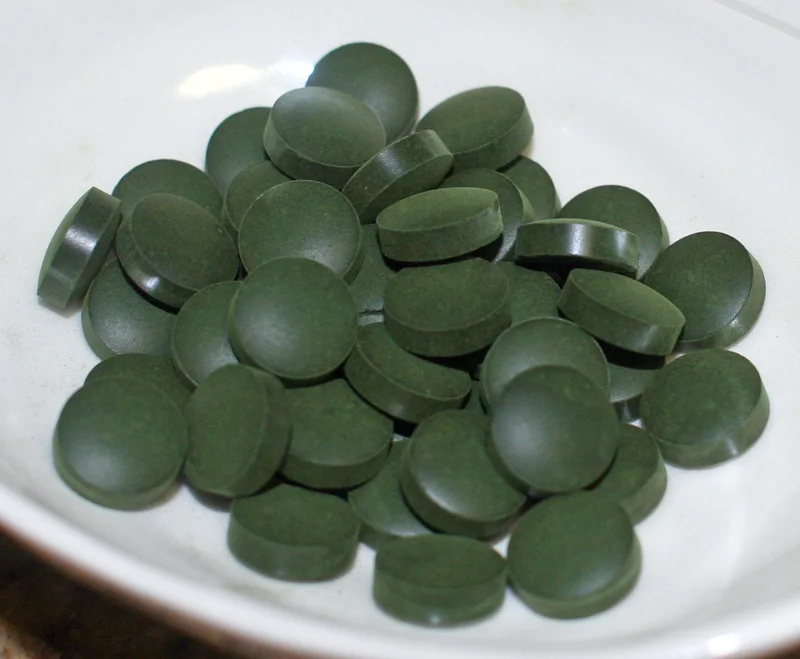
One solution, while unusual, emerged as a high-potency answer that reconnected all issues in a long-term and economically strong manner. Research into using ecology as a driver of added value pointed to a specific algae that could thrive in the saline groundwater: spirulina. This ecological solution, coupled with the strength of the health foods industry, fit within the existing framework and capabilities of the town.
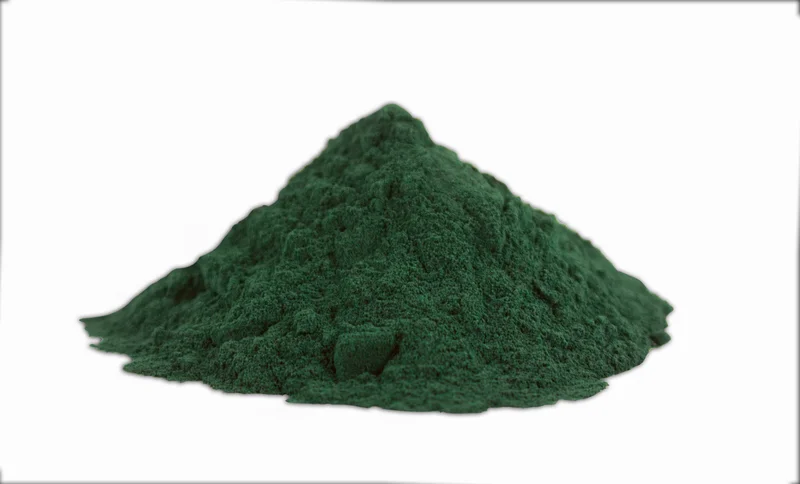
The Spirulina Plant
Spirulina was chosen for several reasons: suitability to the local climate, ability to solve multiple problems simultaneously, and economic strength. The market for spirulina is substantial and continues to grow. Its high value and consumers' willingness to pay make it an excellent industry for economically depressed areas. There are several examples of South African towns using algae plants to revitalize their economies.
The manufacturing process requires very few additives and is relatively straightforward. Merredin's location on the main highway between Perth and Sydney provides a logistics advantage. The economic and business case showed feasibility with a return on investment within five years and a 300% margin for error.
How It Works
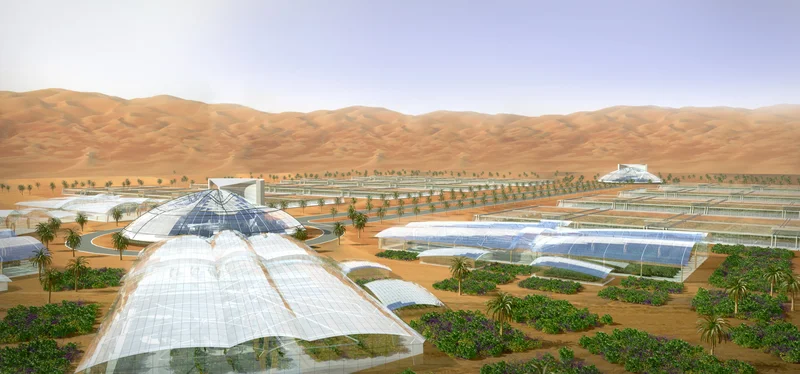
Merredin lies in a shallow arid valley with low rainfall and consistently high groundwater levels. The plan redirects excessive groundwater via agricultural drains under the town, through an existing creek to solar desalinators that slightly reduce salinity. The treated water feeds large shallow open ponds, cheap and easy to fabricate.
The algae use saline water and abundant sunlight to grow at up to 30% per day. Harvested algae go to the old water pump station, built in 1903 by C.Y. O'Connor, now converted to house a freeze-drying and packaging plant, offices, and a visitor center with cafe. The dried spirulina is bottled and shipped directly to Perth.
The Business Case
The plant addresses Merredin's problems comprehensively. It prevents groundwater from reaching problematic heights and lessens salt absorption into surface soils. It attracts health-related tourism, provides employment, and creates a stable industry. The pump station gains a new role, preserving a cultural and historical site for future generations.
Plant parameters: 30 TPA capacity on 25,000 m², employing 42 people across three shifts, 300 working days per year. Cash flow of AUD 1,200,000 per annum against costs of roughly AUD 400,000, yielding AUD 800,000 net income. Return on investment within five years with a 300% margin for error.
Outcome and Lessons
The integrated systems approach proved effective and validated SiD's development path. However, the proposal was rejected by the city council, highlighting a critical gap: when stakeholders are not involved from the start, even strong solutions face resistance. This became a foundational lesson for SiD's emphasis on stakeholder co-creation throughout the process.
A decade later, the municipality invited a redo with stakeholder involvement throughout. A profitable spirulina plant was eventually established by another party. The Merredin project remains a foundational example of how systems analysis, holistic design, and the merger of disciplines as diverse as economics, ecology, and architecture can generate innovative solutions in even the most remote and unexpected places.
Key SiD Methods Used
- System Mapping of physical, social, ecological, and economic flows
- Circular Economy principles using waste flows as resources
- Biomimicry and ecology-driven economic development
- Solutioning through systematic cross-breeding of assets and needs
- Stakeholder Co-creation (lessons learned from its absence)