Starprint Vietnam: Sustainable Packaging
The Challenge
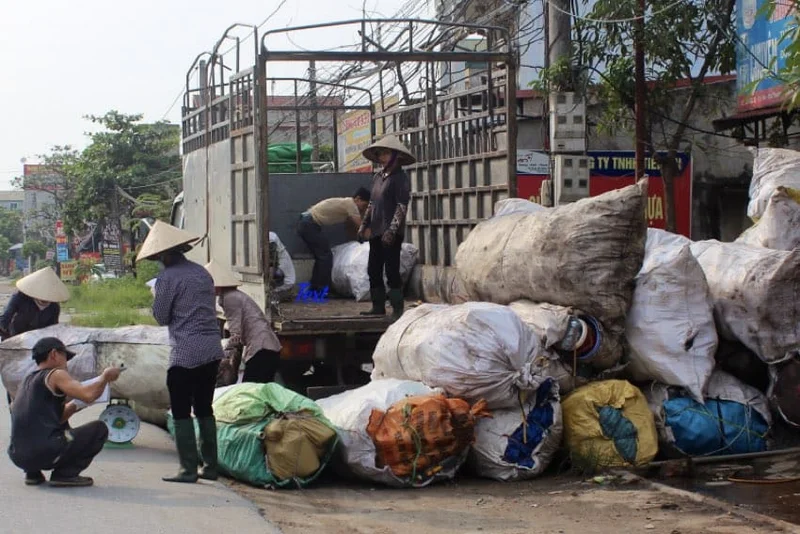
Vietnam faces an acute packaging crisis. According to the World Bank (2022), plastics represent 94% of items and 71% by weight of all waste in the country. With plastic production growing annually, the government aims to drastically reduce ocean plastics and eliminate single-use plastics in key areas by 2030. Global consumer demand and policy pressures are reshaping the industry at its foundations.
Starprint Vietnam (SV), founded in 2001 and building on a legacy from Thailand since 1962, is a leading figure in Vietnam s packaging industry. Specializing in packaging for food, toys, hygiene, and cosmetics, SV serves both international and domestic markets. Facing increasing sustainability demands from clients and a rapidly evolving regulatory landscape, SV committed to a comprehensive sustainability transition rather than incremental improvements.
Why Packaging Matters
Companies that position themselves ahead of the sustainability curve gain competitive advantage; those that wait risk irrelevance. Vietnam s 2030 targets represent one piece of a worldwide shift away from disposable packaging. With the country s plastic production growing annually and EPR regulations taking shape, the packaging sector faces fundamental restructuring.
Starprint Vietnam, at the heart of this transformation, recognized the need for a long-term strategic vision. The question was not whether to transition, but how to do it comprehensively, connecting environmental performance to business resilience and market positioning.
Applying SiD
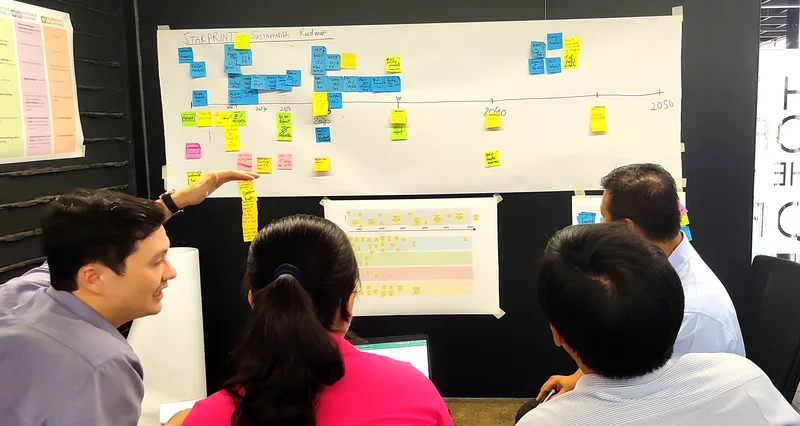
Except partnered with Starprint to implement the Symbiosis in Development (SiD) framework, combining capacity building, intelligence gathering, and collaborative visioning into a structured transition process.
Phase 1: Capacity Building
Except trained a 12-person core team from Starprint on sustainability fundamentals, industry standards, and global trends. In parallel, this team gathered and analyzed data on SV s current environmental footprint, market trends, and stakeholder requirements. This dual track ensured the team could both understand the broader context and ground it in their own operational reality.
Phase 2: Intelligence Gathering
Except completed supplementary research including best-practice benchmarking, comparative analysis of competitor performance, and a long-term scan for upcoming legislative changes. These data inputs were structured as preparation for the co-creation phase, giving the team a factual foundation for strategic decisions.
Phase 3: Co-creation Workshop
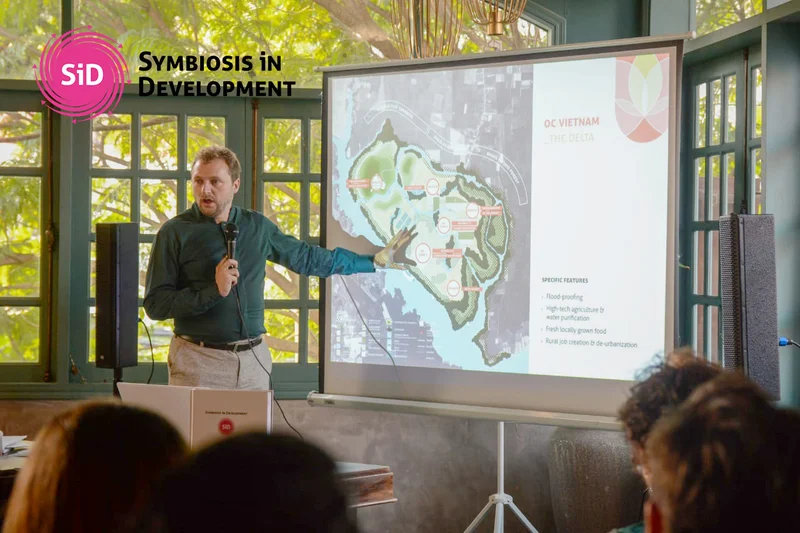
A two-day facilitated workshop in Ho Chi Minh City brought the core team together. Workshop results included setting general sustainability goals and visions, identifying main focus areas, establishing a baseline roadmap structure, and initiating hands-on projects for long-term goals. The key insight: a roadmap connecting all aspects of the business in one cockpit-like overview, enabling true strategic planning rather than isolated initiatives.
Outcomes
The resulting roadmap provides what SV describes as a flexible, 360-degree structure. With this in hand, a long-term strategic plan can be developed, rolled out, and managed. This benefits SV as a whole and greatly eases the task of key managers and C-level operatives in connecting sustainability performance to business decisions.
SV is now poised for subsequent phases of roadmap development and implementation. As the world shifts away from disposable packaging, SV is not merely adapting but leading the change. The transition, though gradual, is set to redefine SV s core business, ensuring resilience and sustainability for years to come.
Key SiD Methods Used
- SiD five-step method (initiation through solution)
- Capacity building and team training
- Intelligence gathering with benchmarking and legislative scanning
- Stakeholder co-creation workshops
- Roadmap development as 360-degree strategic instrument