Ethics in Sustainability
Four Ethical Perspectives
Sustainability decisions inevitably involve ethical trade-offs. SiD does not prescribe a single ethical framework but uses four complementary perspectives to ensure decisions are examined from multiple angles. Understanding these perspectives helps teams navigate the moral dimensions of complex system interventions.
Consequentialism: Do What Results in Good
Consequentialism judges actions by their outcomes. An intervention is ethical if it produces the greatest good for the greatest number, regardless of the nature of the action itself. In sustainability practice, this is the perspective that justifies uncomfortable trade-offs: accepting short-term ecological disruption for long-term system improvement, or prioritizing one community's needs over another's when resources are limited.
Strength: outcome-focused, pragmatic, measurable. Weakness: outcomes are difficult to predict in complex systems, and the time horizon over which "good" is measured changes the calculus entirely.
Deontology: Do Good Things
Deontology judges actions by their inherent nature, independent of outcomes. Certain actions are right or wrong regardless of consequences. In sustainability, this perspective insists on protecting biodiversity even when the economic case is weak, or maintaining community rights even when a different land use would produce better aggregate outcomes.
The tension between consequentialism and deontology is like yin and yang of value perception. Brain research supports this: the dorsolateral prefrontal cortex (associated with reason) tends toward consequentialist judgments, while the ventral medial prefrontal cortex (associated with emotional value) tends toward deontological ones. Neither is more rational than the other; they represent different dimensions of ethical reasoning.
Virtue Ethics: Do What a Good Person Would Do
Virtue ethics evaluates decisions by asking what a virtuous person would do in this situation. It provides an external reference framework: "What would a role model in this field decide?" This perspective is particularly useful when consequentialist and deontological reasoning conflict, as it introduces character and intent as evaluation criteria.
Pragmatism: Do What All Three Agree On
Pragmatism finds the practical resolution where the other three perspectives converge. When consequentialist, deontological, and virtue ethics analysis all point in the same direction, act with confidence. When they conflict, the disagreement itself reveals important information about the decision's complexity and the values at stake.
Ethics in SiD Practice
In SiD sessions, ethical perspectives surface naturally during evaluation. When the team debates whether a proposed roadmap intervention is "right," they are typically cycling between these four perspectives without naming them. Making the perspectives explicit improves discussion quality: it separates disagreements about values (which are legitimate and important) from disagreements about facts (which can be resolved through analysis).
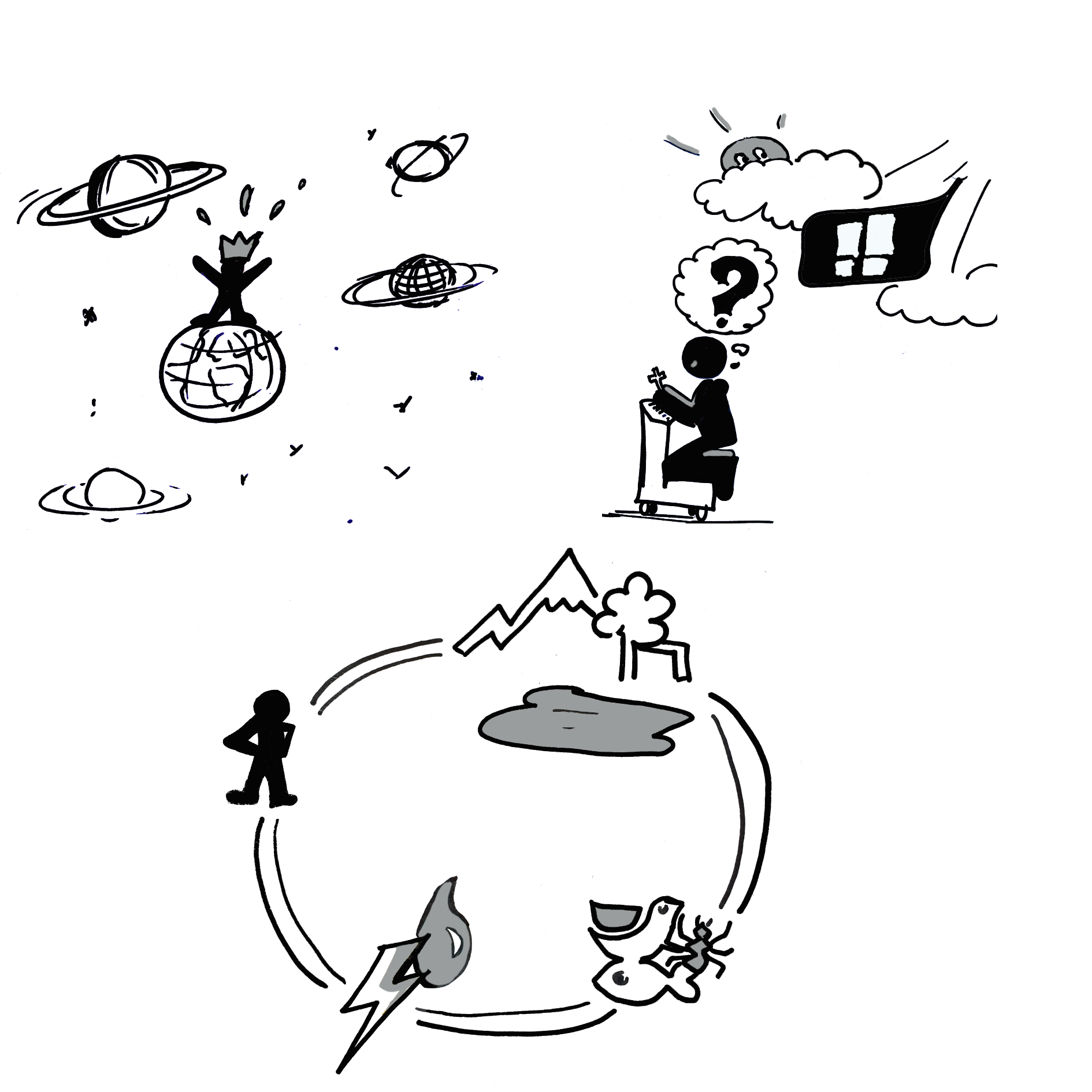
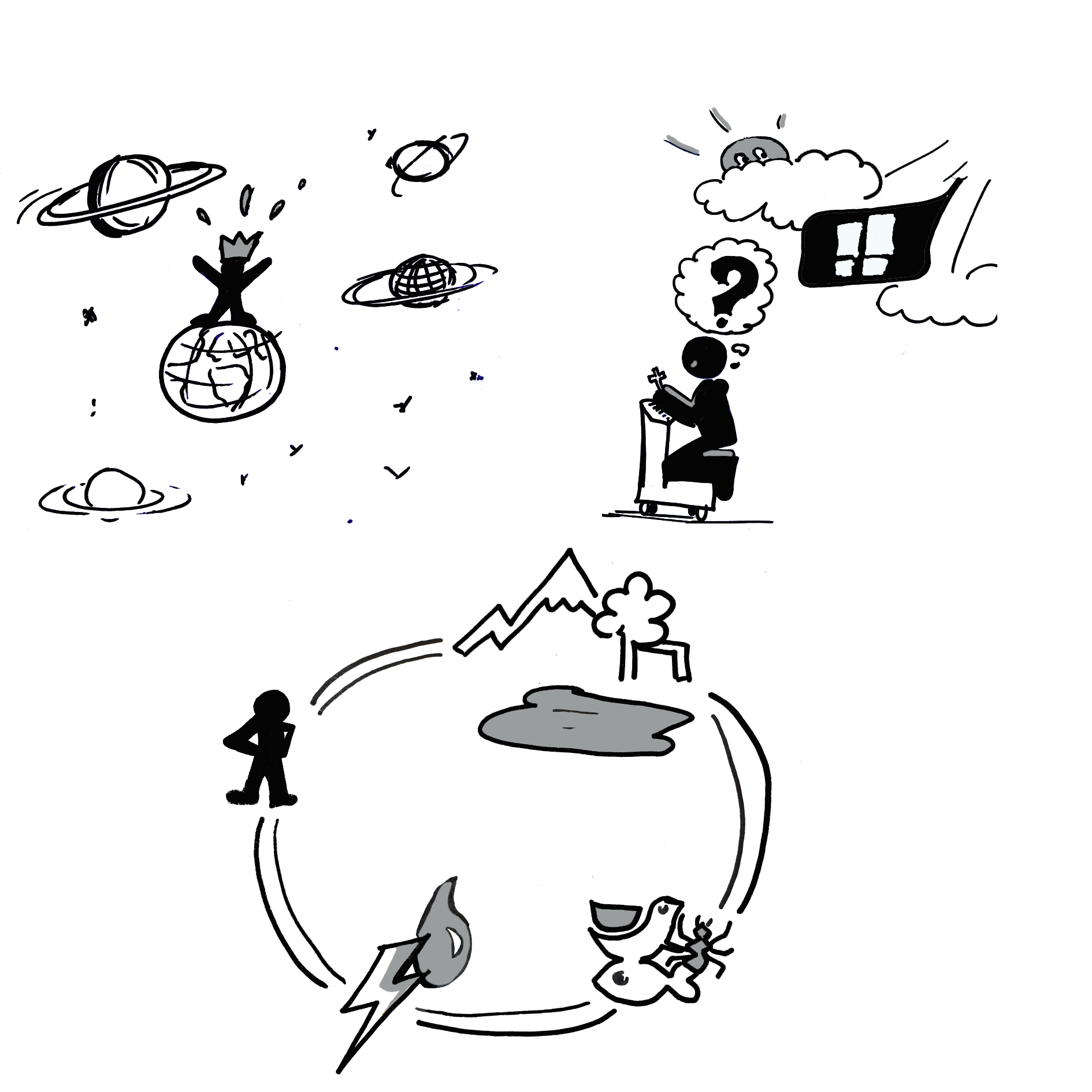
The ELSI framework itself embodies an ethical position: by placing Energy and Life as foundational layers on which Society and Individual depend, it establishes a causal hierarchy that constrains the ethical space. You cannot trade ecological health for economic growth without undermining the foundation on which both depend.