
Execution Phase
Making It Happen
The Execution Phase is where the roadmap from the Solution Phase becomes reality. It requires a different mindset from the analytical phases: implementation, monitoring, and adaptive management.
Expert Evaluation
Before full implementation, conduct a formal review of concepts and roadmaps with domain experts. Check validity, identify missing parts, verify that resource loops are closed, and stress-test business models. Step through network parameters to assess systemic effects. External evaluation catches assumptions that the core team, deep in their own analysis, may have stopped questioning.
Modeling and Simulation
For complex interventions, build analytical models: resource loops, circular economy flows, building thermodynamics, production systems. Models do not need to predict the future perfectly; they need to reveal whether proposed interventions hold together logically and identify where the plan is most sensitive to assumptions.
Implementation
Action plans: Break the roadmap into concrete tasks with clear responsibilities, timelines, budgets, and deliverables. Have feasibility, investment, and execution templates ready before SiD sessions begin.
Quick wins: Start with interventions that show early results, building momentum and demonstrating the value of the systemic approach to stakeholders.
Parallel tracks: Coordinate simultaneous interventions to maximize synergy and minimize conflict.
Communication Strategy
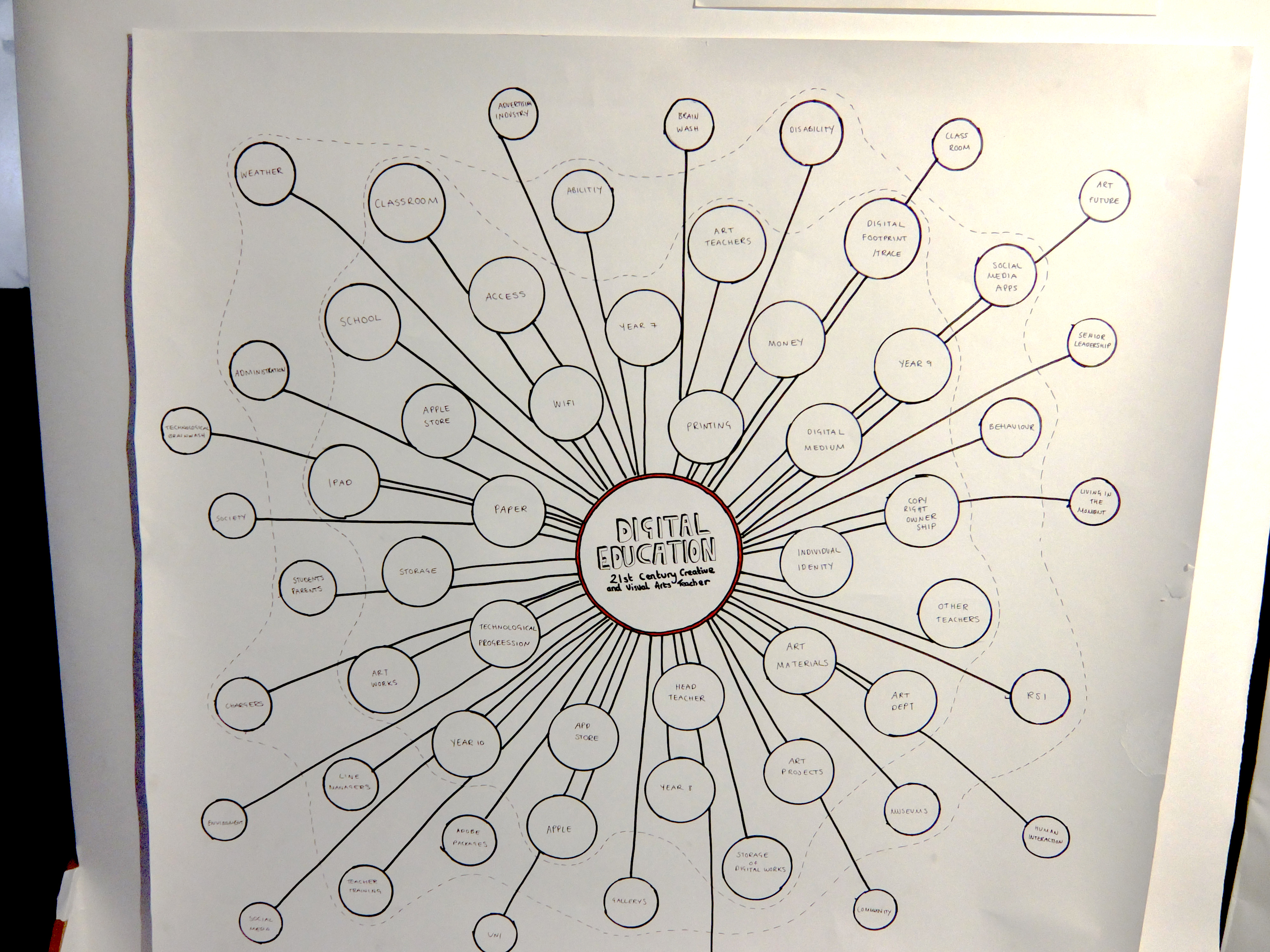
Create a single, well-written outline of what the team is doing and why. This unified narrative helps inform stakeholders, secure ongoing support, and create a shared voice across diverse implementation tracks. Inconsistent messaging erodes stakeholder trust; a clear story builds it.
Monitoring and Adaptation
Complex systems are unpredictable; even the best roadmap requires adjustment.
Track indicators: Regularly measure the KPIs defined in Step 1. Are they moving in the right direction?
Watch for system dynamics: Look for rebound effects, unexpected cascades, and emerging opportunities.
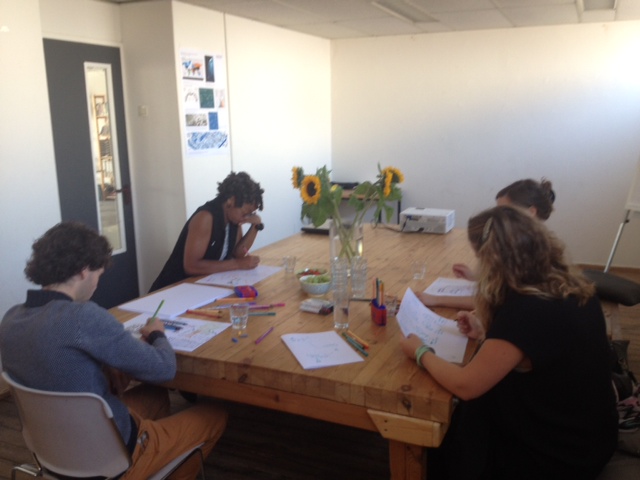
Stakeholder feedback: Maintain ongoing dialogue with all parties affected by changes.
Iteration Continues
The SiD method does not end with execution. As the system responds to interventions, new understanding emerges, goals may need adjustment, and additional method cycles may be needed. The goal is not to execute a perfect plan. The goal is to continuously improve a complex system through informed, adaptive action.