Initiation Phase
Getting Started
The Initiation Phase lays the foundation for the entire SiD process: assembling the team, understanding the client's needs, setting initial boundaries, and planning the process design. It sets the culture and expectations that carry through every phase that follows.
Key Activities
Client briefing and intake: Understanding what the client wants to achieve, their constraints, and expectations. The project manager scouts requirements and creates a project brief covering duration, team size, facilities, deliverables, boundary conditions, and legal responsibilities.
Team assembly: The core team is rarely larger than four for small projects and eight for large ones. With four to eight people, you can change the world in a month, if they are the right people. Three mindsets are essential: scientific/analytical, creative, and business/connectivity. The mix matters more than the number.
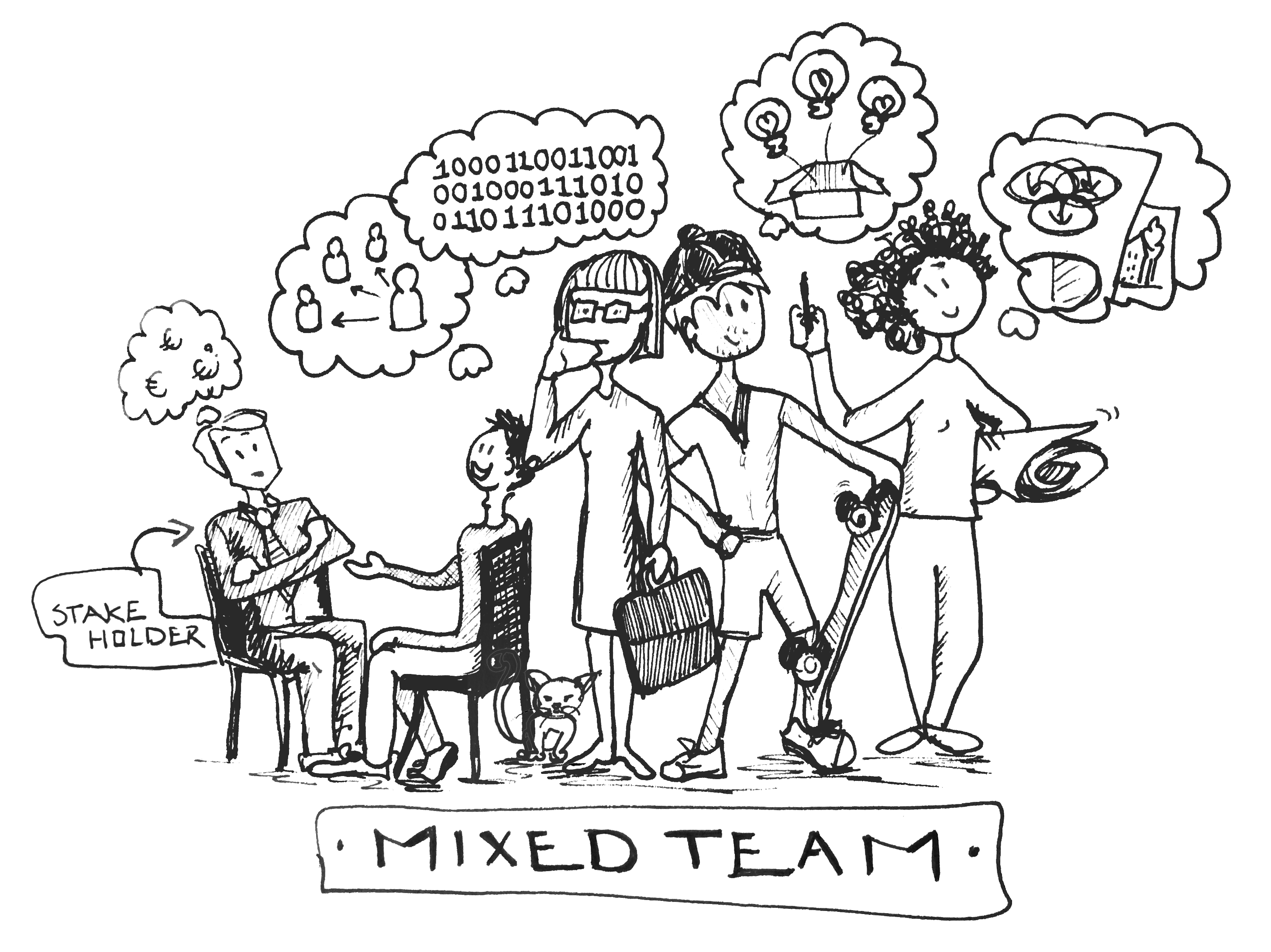
Stakeholder identification: Initial mapping of all parties who affect or are affected by the system.
Process planning: Designing the sequence of method cycles, workshops, research phases, and deliverable moments.
Initial goal setting: A first pass at system-level goals, project boundaries, and evaluation criteria, to be refined in the Intelligence Phase.
Setting the Tone
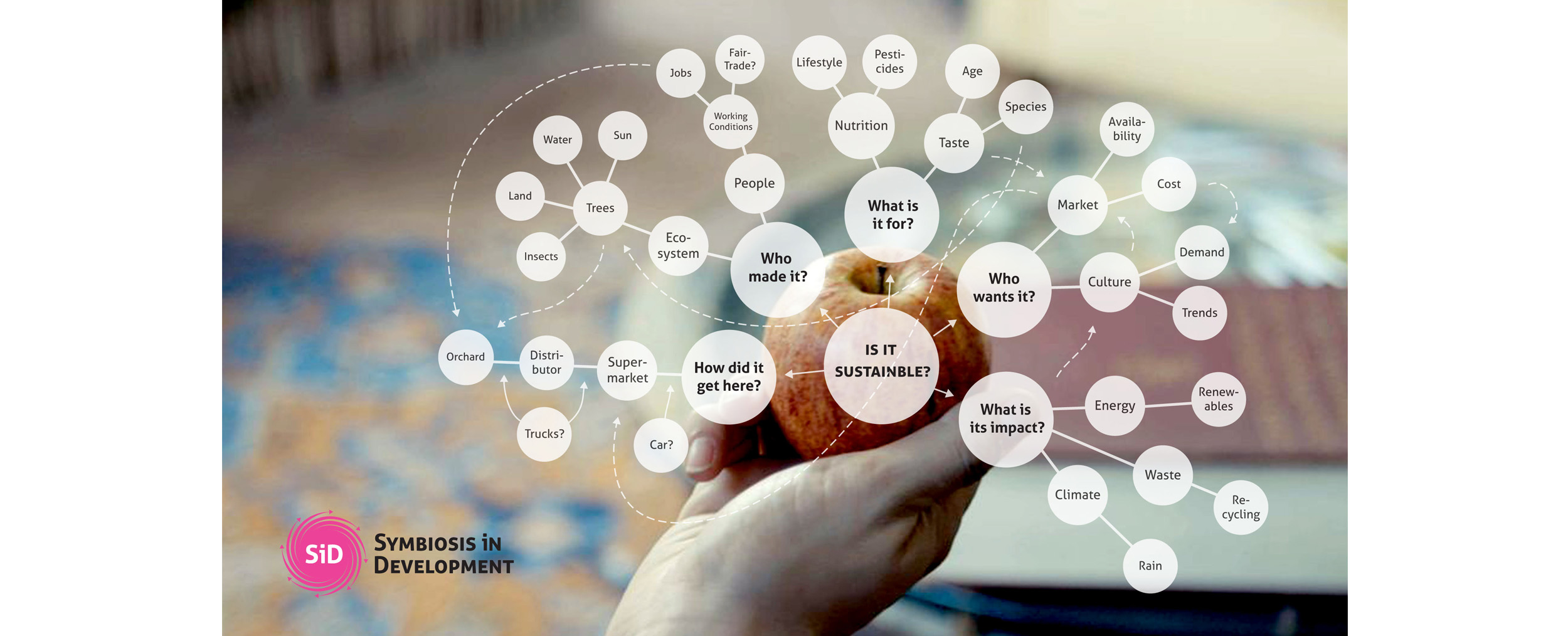
Systemic ambition: Frame the challenge at the system level from day one, even when the client presents it as an object-level problem. If they ask for a more sustainable building, explore how the building can improve the sustainability of its surroundings.
Openness to surprise: The process will reveal unexpected connections. The team needs to be comfortable with uncertainty and willing to adjust course.
Collaborative spirit: SiD is a team sport. Establish norms for open communication, constructive disagreement, and shared ownership of outcomes.
Kickoff
The project manager gathers the core team with client representatives. Inform about the process, explain expectations, discuss goals. For spatial projects, include site visits early so the team develops physical intuition for the system they are analyzing. The kickoff sets the pace: a well-run first meeting builds momentum that carries through the entire project.