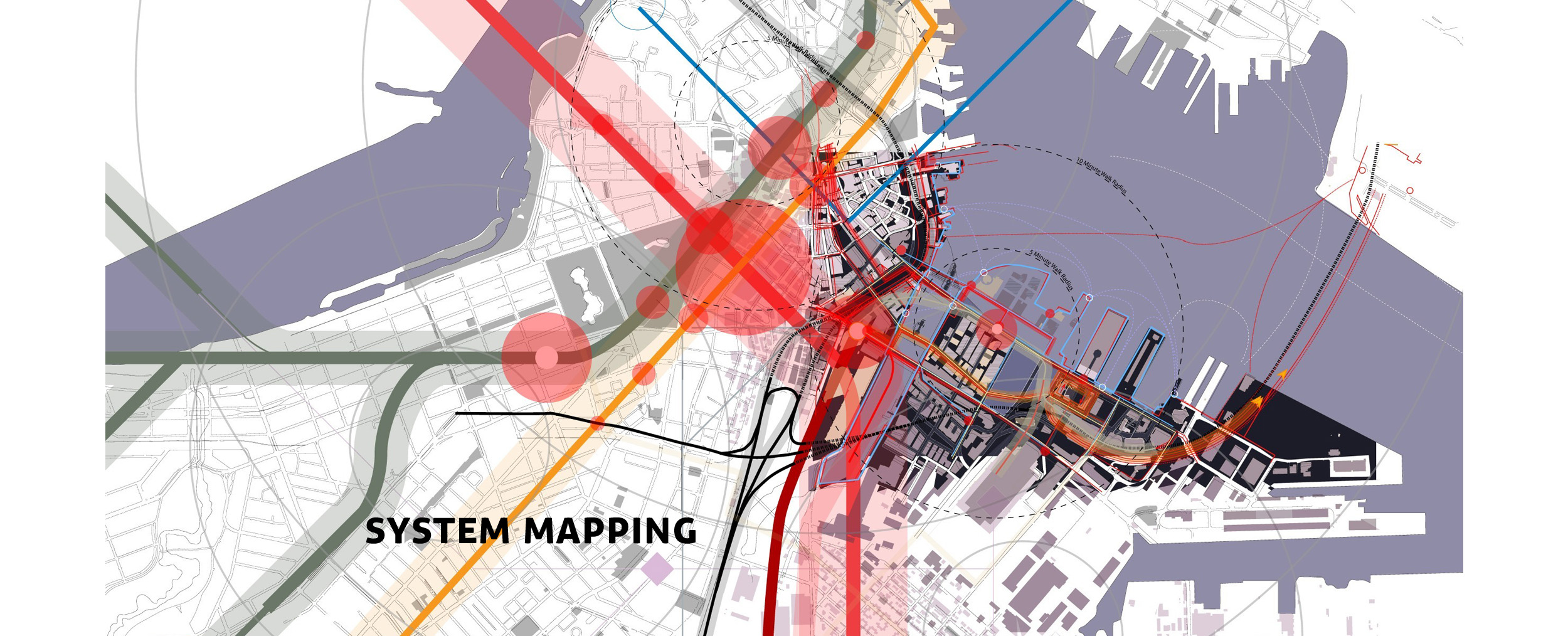
Intelligence Phase
The Heart of the Process
The Intelligence Phase is where the main analytical work happens. It encompasses the first several method cycles, moving from broad reconnaissance to deeper understanding. Work here feeds the Solution Phase.
Research and Analysis
Systematic investigation across all ELSI categories, at multiple scales, in all three dimensions (space, time, context):
Desktop research: Existing data, reports, and analyses relevant to the system. Collect across all ELSI categories to avoid blind spots. An A3-format summary sheet per topic area helps keep findings accessible during workshops.
Field research: Site visits, interviews, observations, and stakeholder conversations that bring the system to life beyond data. What you feel walking through a neighborhood or factory floor is data that no report captures.
Expert consultations: Specialists for domains where the core team lacks depth. Bring them in for focused sessions rather than full-time involvement.
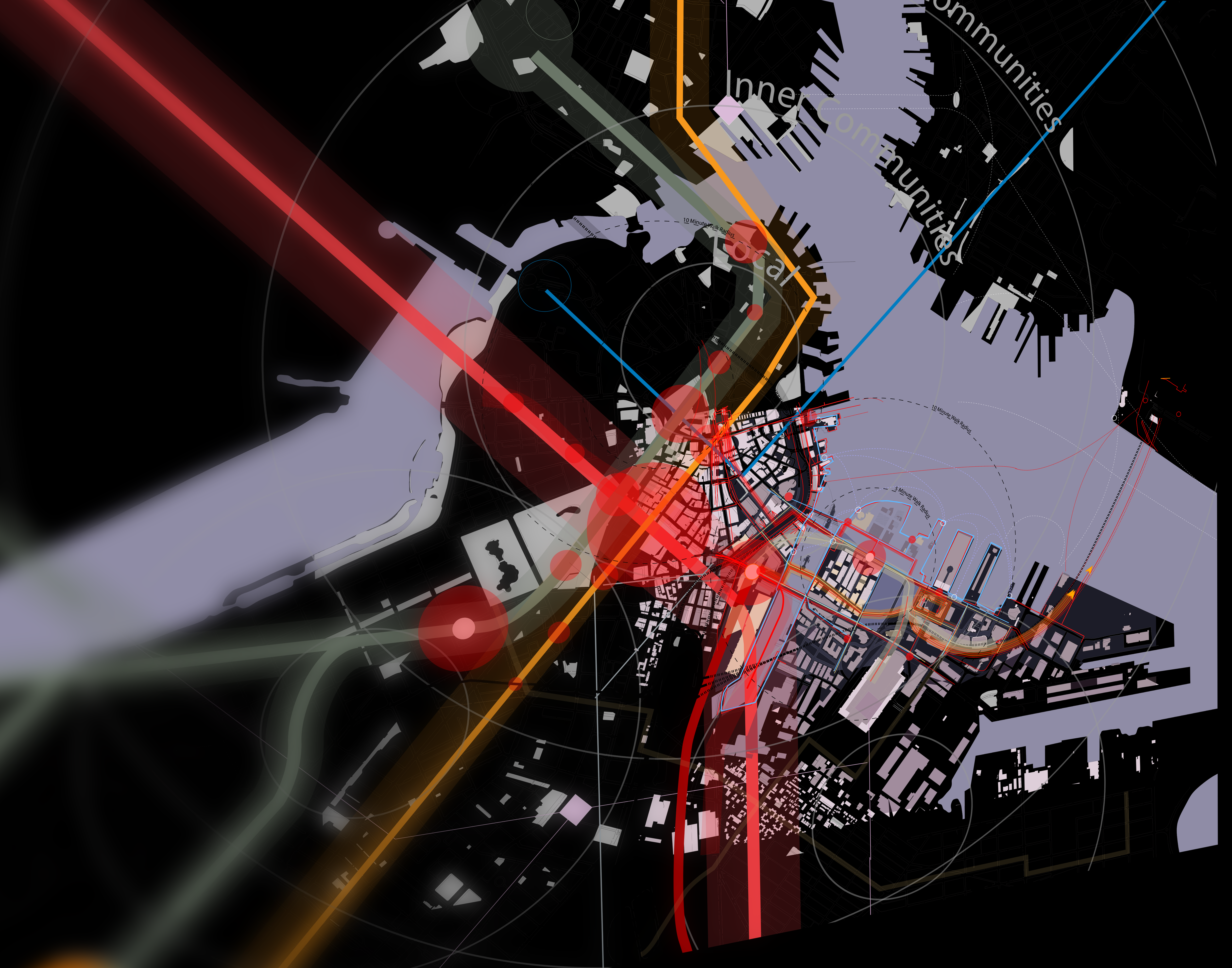
System Mapping Workshops
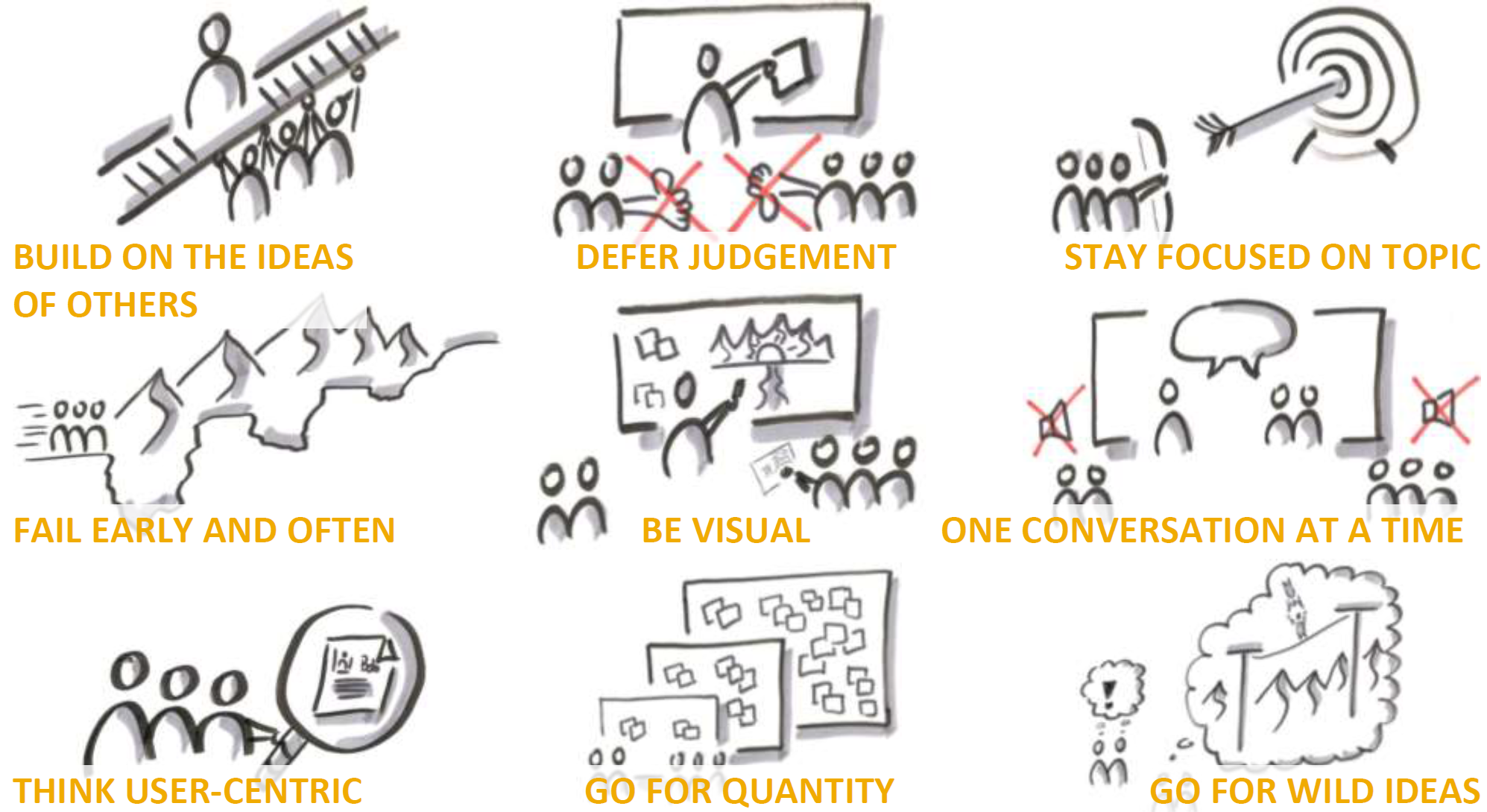
Collaborative sessions that build shared understanding across diverse perspectives:
ELSI impact scans: Quick sweeps across all eight categories to identify areas of interest, concern, and opportunity. Use these early to direct deeper research.
Stakeholder mapping: Interests, influence, and relationships of all parties. Who has power? Who is affected? Who is absent from the conversation?
Causal loop diagrams: Feedback loops and system dynamics made visible. These reveal where interventions might amplify or dampen effects.
Network parameter analysis: Evaluating connectivity, diversity, transparency, and other network properties reveals structural strengths and weaknesses.
Market and Trend Analysis
Map market forces through an ELSI-indexed analysis: life cycle, supply chain, and value chain for each relevant domain. Trend analysis is sensitive to geographic and temporal scale, so use ELSI to ensure balanced coverage. When the Schiphol Airport project analyzed trends, the ELSI-derived scan was far more balanced than conventional trend reports, which typically over-represent economic and technological factors while neglecting ecosystems and species.
Building Understanding
The Intelligence Phase is not just data collection. It is about building genuine understanding: the kind of deep familiarity where patterns become visible and solutions begin to suggest themselves. This understanding carries the team into the Solution Phase with the insight needed to design robust interventions.