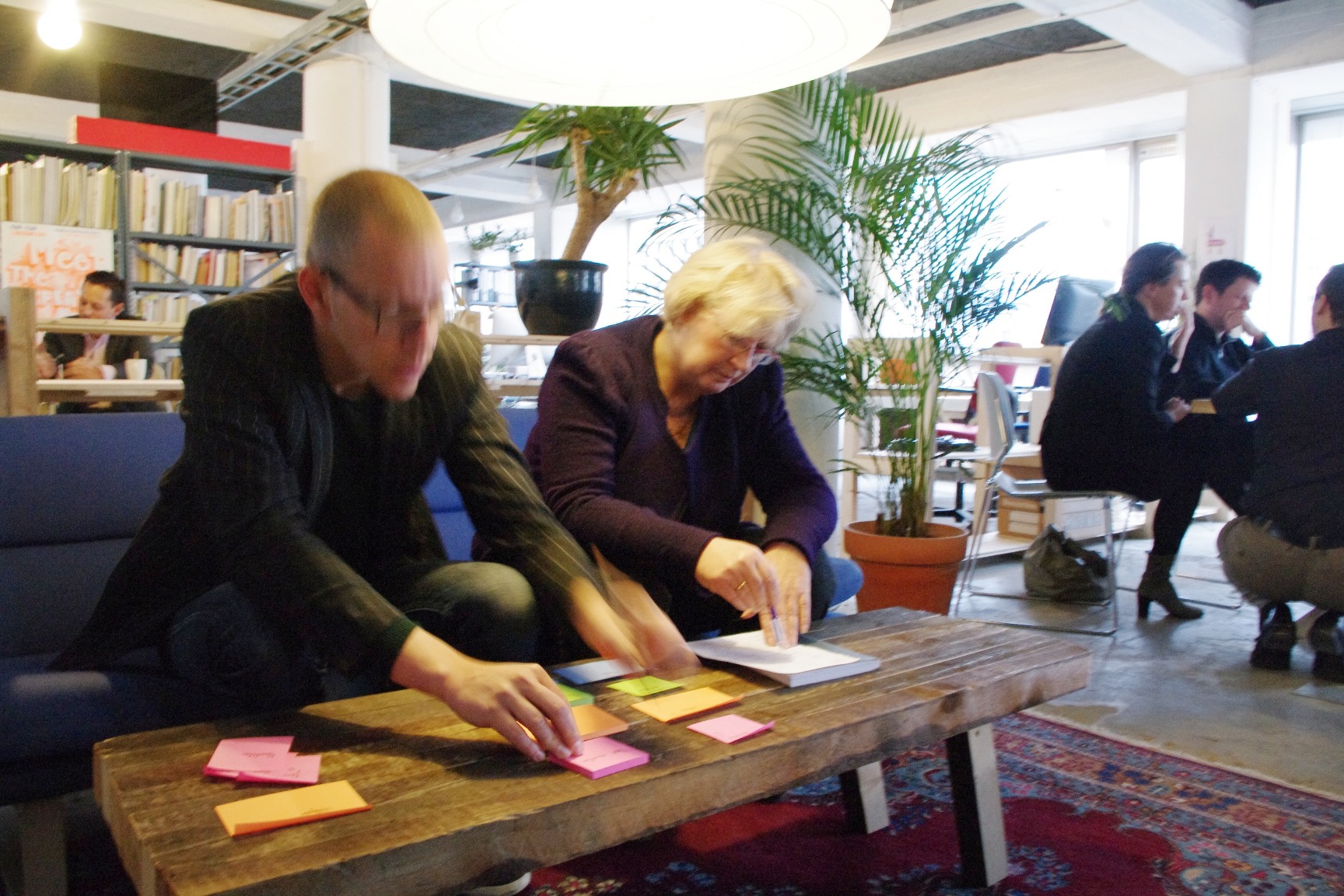
Backcasting
Starting from the Future
Backcasting defines a desirable future state, then works backward to identify the steps needed to reach it. Unlike forecasting — which extrapolates current trends forward — backcasting begins with where you want to be and asks: "What do we need to do to get there?"
Why Backcasting?
Forecasting assumes current trends will continue, which is inappropriate for sustainability challenges requiring fundamental system change. Backcasting frees you from the constraints of the present and allows truly transformative solutions to emerge. In SiD, it is most useful after the visioning stage in Step 1: once the team has a clear picture of the desired future, backcasting quickly identifies major milestones and actions needed to reach it. It is also a core tool in Step 4: Solutioning & Roadmapping.
The Process
Define the desired end state in detail: what does the sustainable system look like?
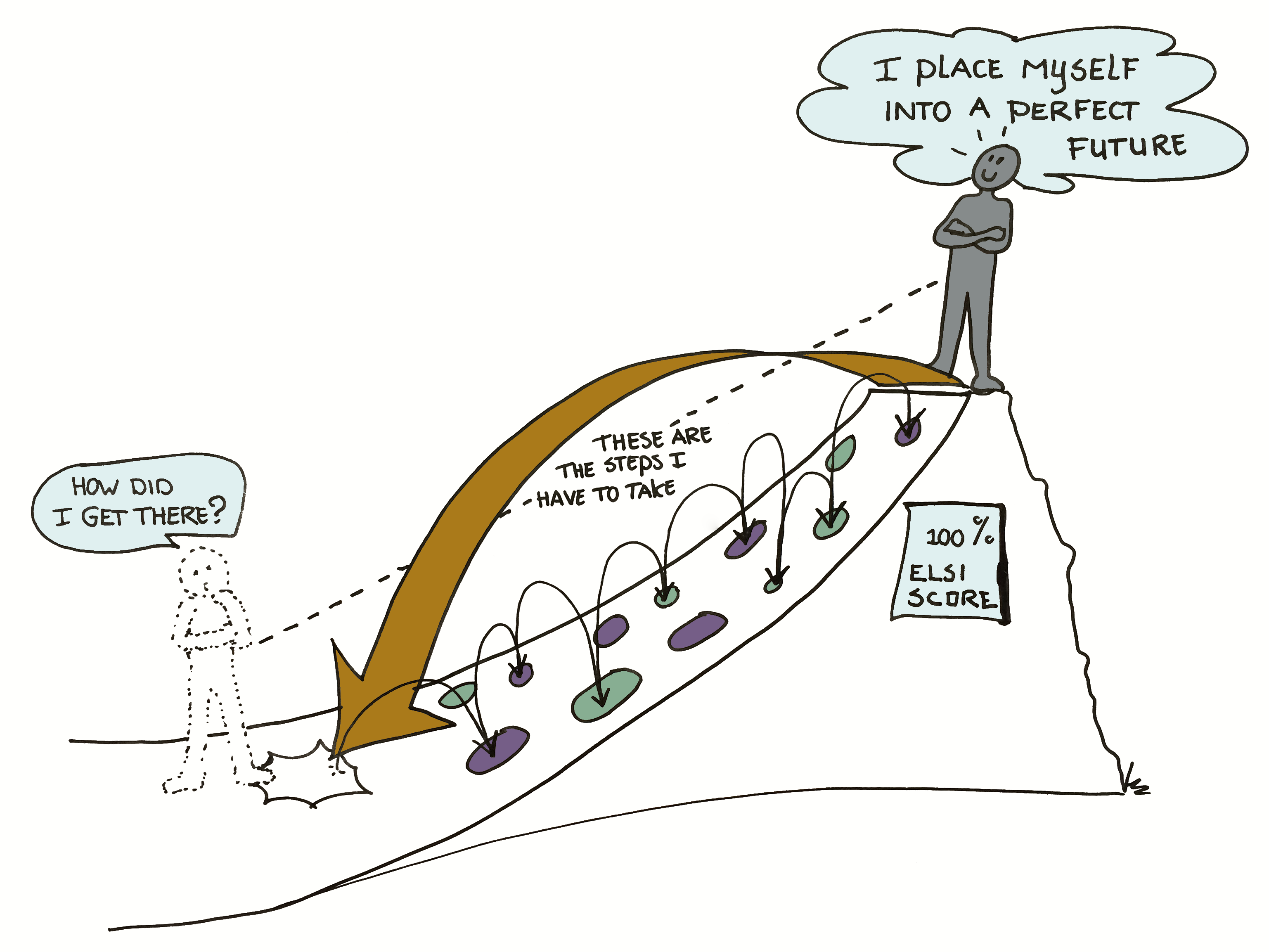
Identify the gaps between current and desired state.
Work backward from the end state, step by step, to the present.
Identify enablers and barriers at each step.
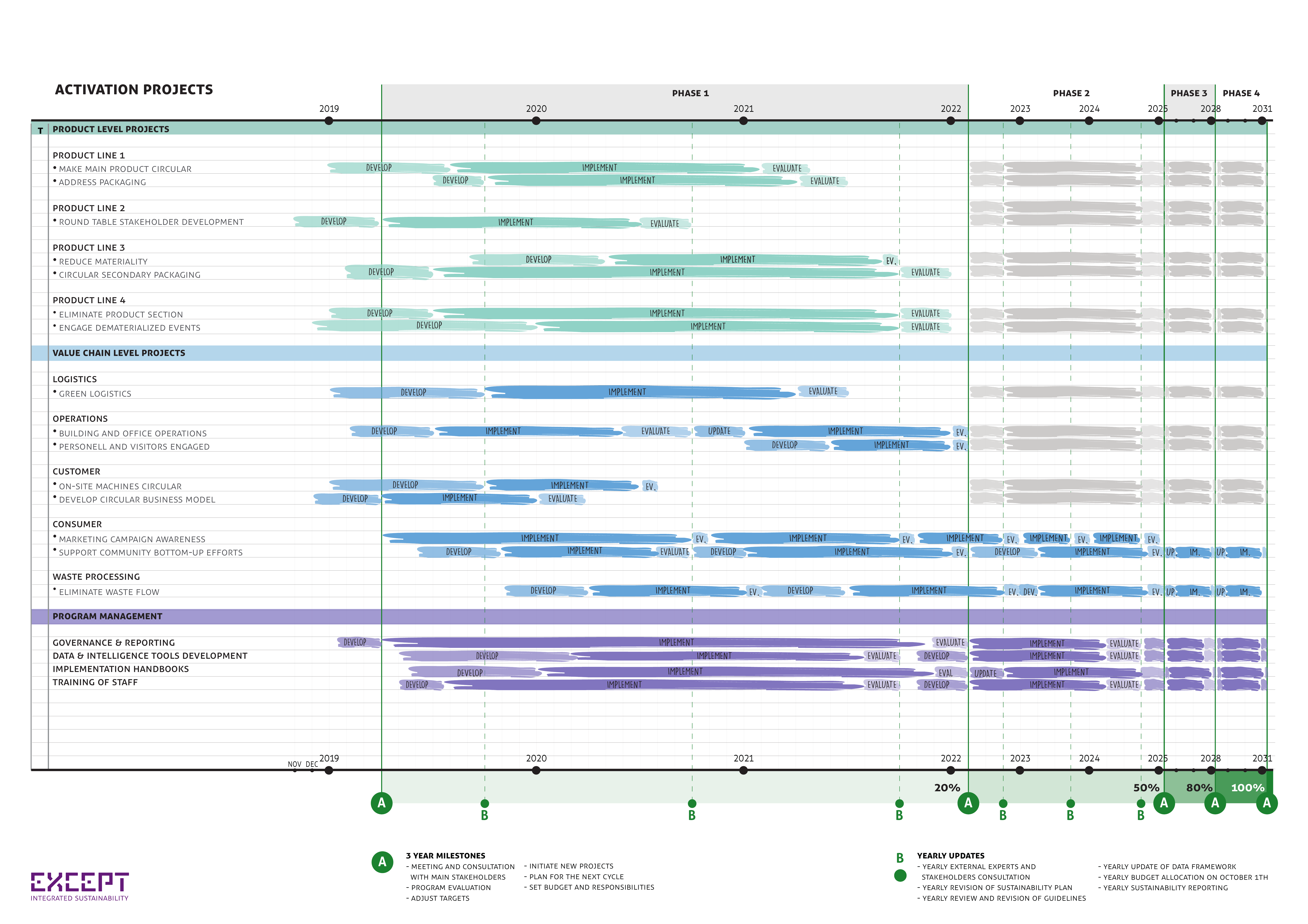
Reverse the sequence into a forward-looking roadmap.
Combining with SiD
Backcasting is most powerful when combined with SiD's systemic analysis. Define the end state using RAH system indicators, and evaluate each step for network-level effects. This prevents the common pitfall of backcasting from an object-level vision that does not actually lead to systemic sustainability.