Life Cycle Assessment
Measuring Environmental Impact
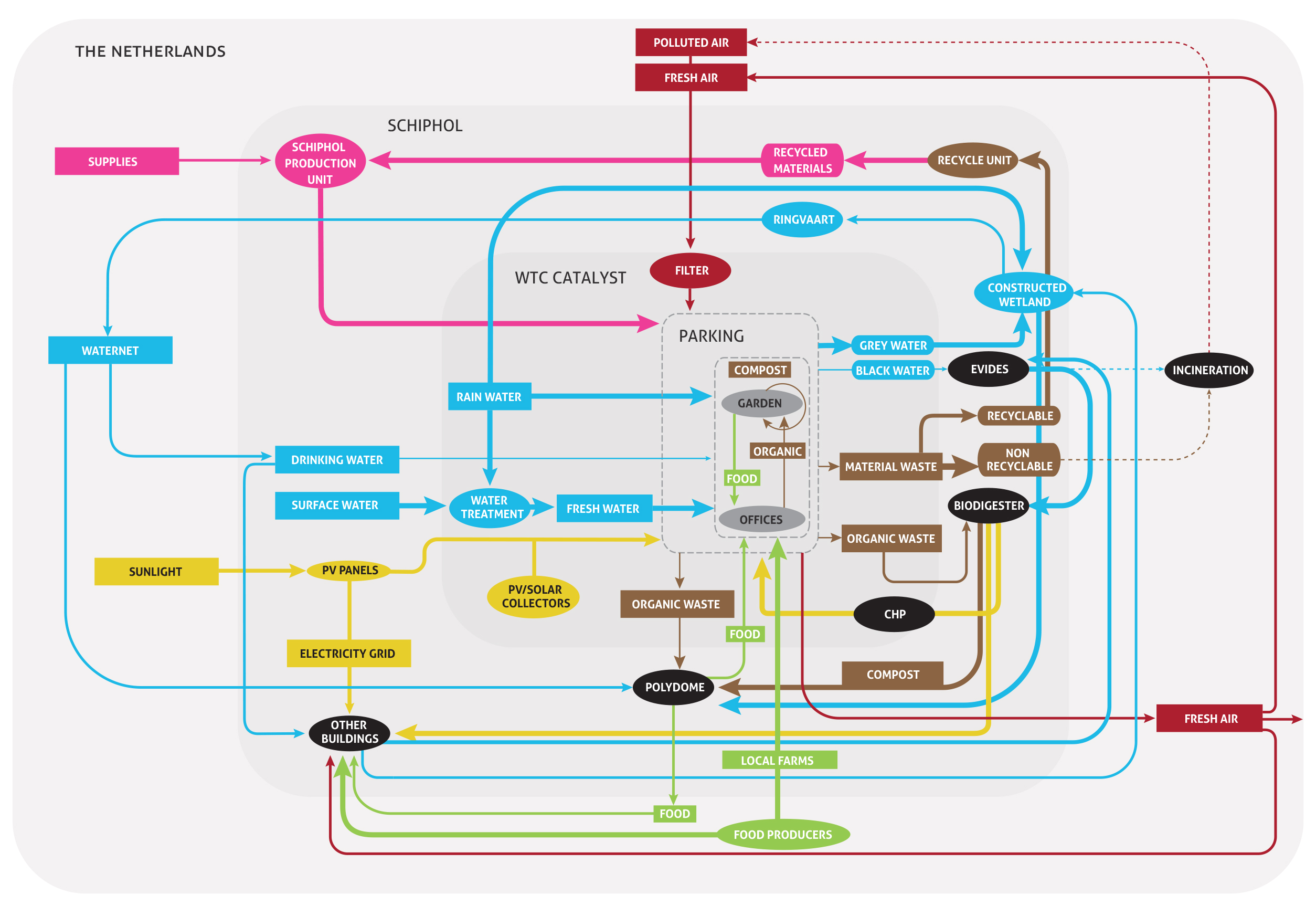
Life Cycle Assessment (LCA) is a cradle-to-grave analysis that evaluates environmental impacts of products and services throughout their entire life cycle: from raw material extraction through manufacturing, use, and disposal. It is one of the most established and widely used sustainability tools, and SiD both builds on and critiques its approach.
What LCA Does Well
LCA provides rigorous, quantitative comparison of environmental impacts across product alternatives. When choosing between two materials, two manufacturing processes, or two energy sources, LCA offers data-driven answers. Major databases (EcoInvent, GaBi for commercial use; nexus.openlca.org for free access) and software tools (SimaPro for commercial use; OpenLCA as a free alternative) support standardized analysis.
For a product of medium complexity, the costs of a single LCA can range between 0.5 and 1.0 million euros and take roughly a year to complete. This investment reflects the depth and rigor of the analysis.
Where LCA Falls Short
LCA has significant limitations that SiD addresses:
- No context sensitivity: LCA does not account for where impacts occur. A kilogram of CO2 emitted in a resilient ecosystem has different systemic effects than the same emission in a fragile one. LCA treats them identically.
- No spatial sensitivity: Impacts are aggregated without regard to geographic distribution. Local concentration of pollutants (which affects communities) is invisible in aggregate numbers.
- No systemic side-effects: LCA measures direct impacts within defined boundaries but misses cascading effects through connected systems. A material substitution that reduces environmental impact may shift social or economic burdens elsewhere.
- Quantification bias: LCA discards any impacts that cannot be quantified. Biodiversity loss, cultural disruption, and community resilience are difficult to measure and therefore absent from most LCA results.
LCA Within SiD
SiD treats LCA as a valuable object-level tool that must be contextualized within broader systemic analysis. LCA data feeds into Step 2: System Mapping as one input among many. The ELSI framework ensures that the domains LCA misses (species, culture, health, happiness) are still analyzed through other methods.
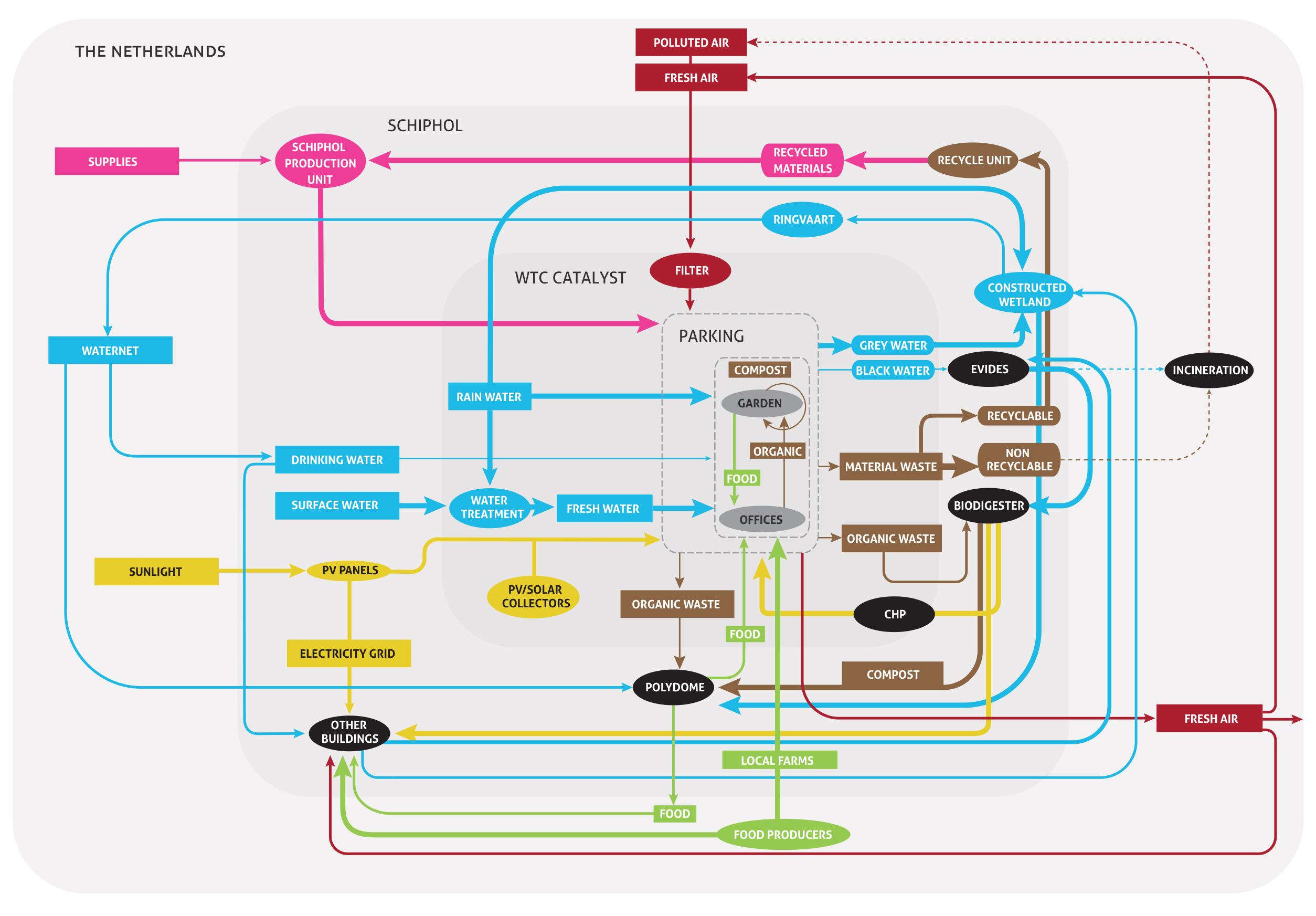
In practice, use LCA when comparing specific material or technology alternatives within a defined system boundary. Use SiD's broader toolkit when evaluating system-level interventions where context, cascading effects, and non-quantifiable impacts matter. The two approaches are complementary: LCA provides precision at object level; SiD provides systemic awareness at network and system level.
Comparing LCA Data
Be careful when comparing LCA data from different sources. If methodologies and system boundaries differ, data may not be comparable. Always verify that the same impact categories, allocation methods, and boundary definitions were used before drawing conclusions from cross-study comparisons.