SiD and Policy
Policy for Complex Systems
Policy works best when it combines top-down goals with bottom-up implementation, guided by systemic analysis. Traditional policy-making struggles with complex, interconnected challenges because it tends to address problems in isolation, through single-sector ministries with short electoral time horizons. SiD offers a framework for policy that matches the complexity of the systems it aims to govern.
The Systemic Risk Challenge
The United Nations Office for Disaster Risk Reduction (UNDRR), established by UN Resolution 54/219 in 1999, operates as "meteorologists of risk" rather than prognosticators. Their 2022 report documented a stark reality: risk creation is outstripping risk reduction. Disaster economic losses doubled from roughly $70 billion per year in the 1990s to over $170 billion in the 2010s.
Systemic risk cascades across geographies and sectors. COVID demonstrated this vividly: economic impacts hit countries before any cases arrived, transmitted through interconnected digital and physical infrastructures, globally integrated supply chains, and financial networks. Without increased action to build resilience to systemic risk, the Sustainable Development Goals cannot be achieved.
Why Simplistic Policy Fails
Cognitive biases and mental shortcuts make decision-makers myopic about novel risks. Conventional approaches to risk management tend to be based on linear, well-established cause-and-effect relationships. But complex systems do not behave linearly. The correlation between poverty and disaster vulnerability is striking: 18 of the 20 highest-disaster-risk countries are middle or lower-income nations with an average poverty rate of 34%, compared to 0.5% in the lowest-risk countries. Addressing disaster risk requires addressing poverty; addressing poverty requires addressing education, governance, and ecological health. These are systemic, not sectoral, challenges.
SiD's Symbiotic Planning for Policy
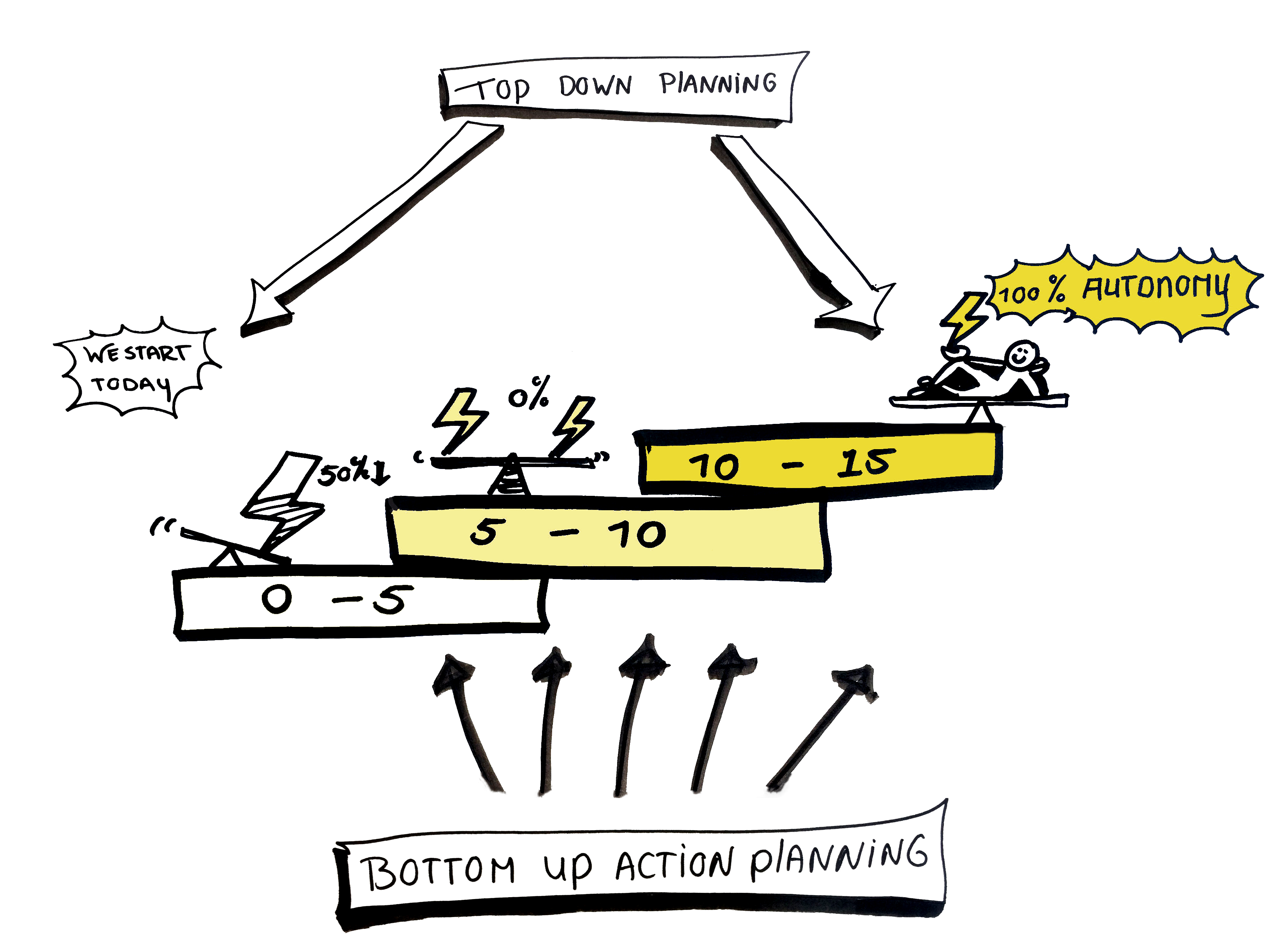
SiD's symbiotic planning approach offers a model for policy design. Set long-term development goals and boundaries through top-down policy (what must be achieved, what limits must be respected). Then fill in the roadmap with bottom-up initiatives that respond to local conditions and stakeholder agency. Provide incentives that steer bottom-up action toward systemic goals.
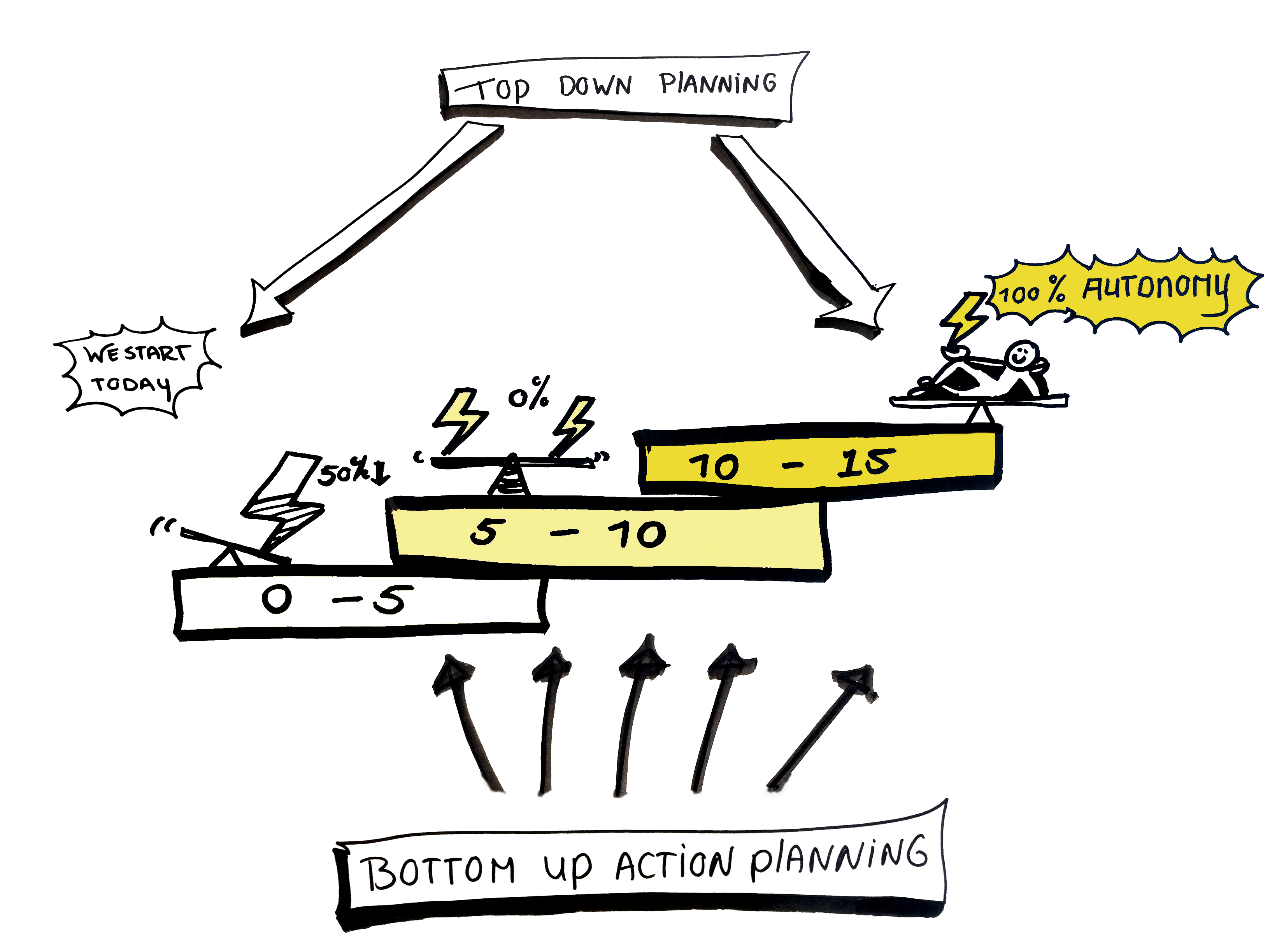
This approach avoids both the rigidity of top-down master plans (which fail when they ignore complex human systems, as the Great Fire of London demonstrated) and the incoherence of purely bottom-up action (which tends to self-organize into hierarchy without shared direction).
Context-Based Policy Goals
SiD's goal-setting approach translates directly to policy. Goals should be performative (describing desired system performance, not prescribing specific solutions), context-based (set relative to ecological and social boundaries, not arbitrary targets), and measurable across the full ELSI spectrum to prevent policy in one domain from creating externalities in another.
Governance for Systemic Risk
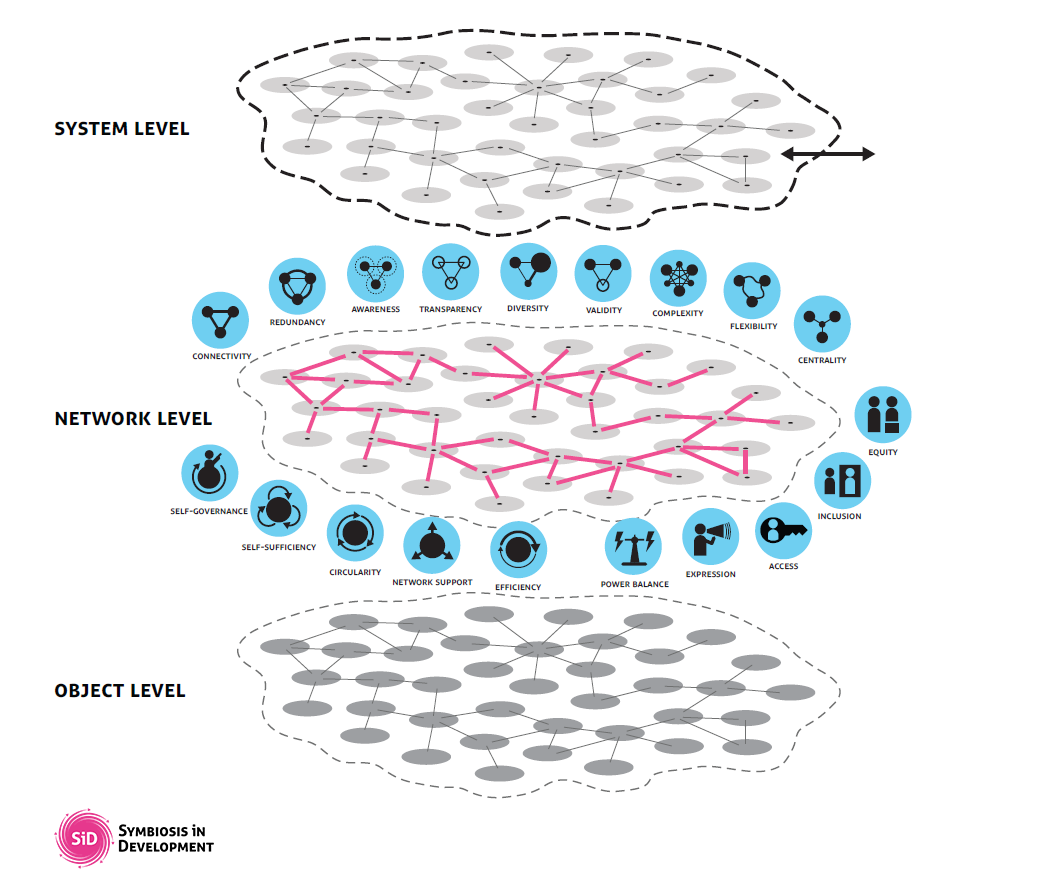
21st-century governance systems must evolve to recognize that challenges for the economy, environment, and equality can no longer be separated. Governance institutions need agility to manage baskets of possible outcomes rather than static targets. The UNDRR's own recommendation points toward exactly the kind of integrated, iterative, multi-domain approach that SiD provides: governance that sees the whole system, sets systemic goals, and adapts continuously as the system responds.
Communicating Risk for Better Policy
How risk is framed changes decision-making. Telling a decision-maker there is a 4% annual probability of a major flood has less impact than telling them there is a 64% chance of at least one major flood within 25 years. Both statements are mathematically equivalent, but the second creates urgency. SiD's emphasis on system mapping and visualization serves this function: making systemic risks visible and tangible to the people who make policy decisions.