SiD and Investment Strategy
From Impact Investing to Systemic Investing
Impact investing addresses isolated problems: a solar farm here, a clean water project there. Systemic investing addresses entire value chains and the relationships between them. SiD provides the analytical framework to move from one to the other.
The Limits of Impact Investing
Traditional impact investing selects individual projects based on measurable outcomes within narrow boundaries. This approach generates real benefits but misses systemic dynamics. Investing in electric vehicle manufacturers, for instance, addresses tailpipe emissions but ignores the mining supply chain, grid capacity, battery disposal, and the urban planning that determines whether people drive at all. The result is that positive impacts in one area can create negative externalities elsewhere.
Systemic Investing
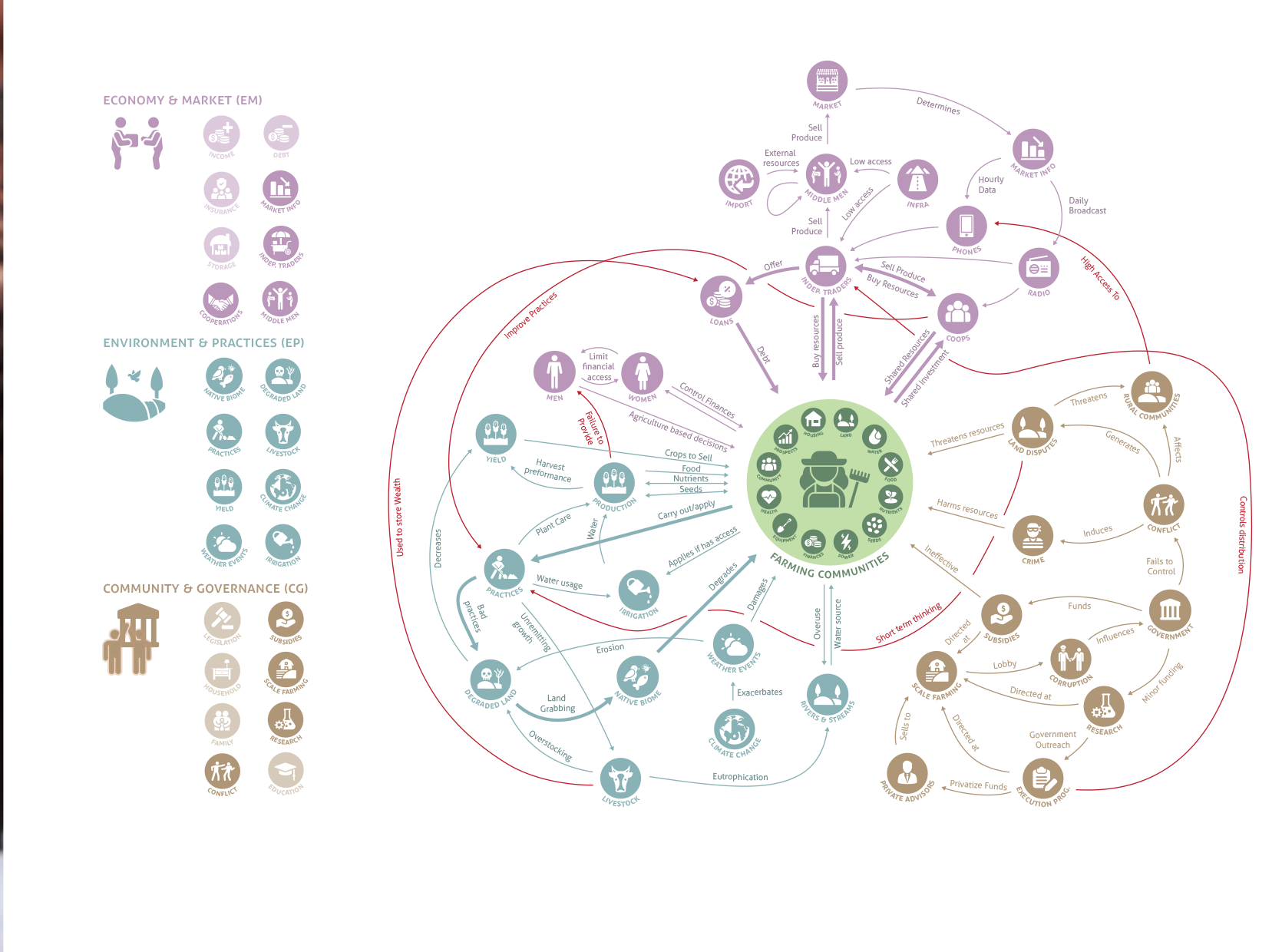
Systemic investing applies SiD's system mapping approach to investment decisions. Instead of evaluating individual projects in isolation, it maps the entire system a project operates within, identifies leverage points where capital can catalyze transformation across multiple domains, and builds investment portfolios that reinforce each other.
The electric vehicle case illustrates the difference. A systemic investor does not just fund EV manufacturers. They map the entire mobility system: energy generation, grid infrastructure, charging networks, urban design, raw material supply chains, battery recycling, and public transit alternatives. Then they invest across the system at leverage points where capital creates the largest positive cascade.
The IKEA Catalyst Model
IKEA approached Except to make their catalogue more sustainable, with the constraint of not changing any physical property of the catalogue itself. The team spent a full year doing systems analysis of everything around the catalogue: supply chains, printers, paper suppliers, marketing agencies.
They built a visual analysis tool for over 500 data parameters, enabling split-second pattern recognition where spreadsheets had failed. The breakthrough: turning the annual supplier competition into a year-round marathon with automated, transparent sustainability reports showing each company's position relative to anonymized competitors.
Sales departments became sustainability advocates because the data directly tied sustainability performance to winning the lucrative IKEA contract. Suppliers across the publishing and printing industry invested billions of euros into sustainable practices. The catalogue's positive footprint exceeded its negative footprint by a factor of 1,000. The object itself was not what needed to change; the quality of the sustainability around the object was.
Theory of Change as Investment Guide
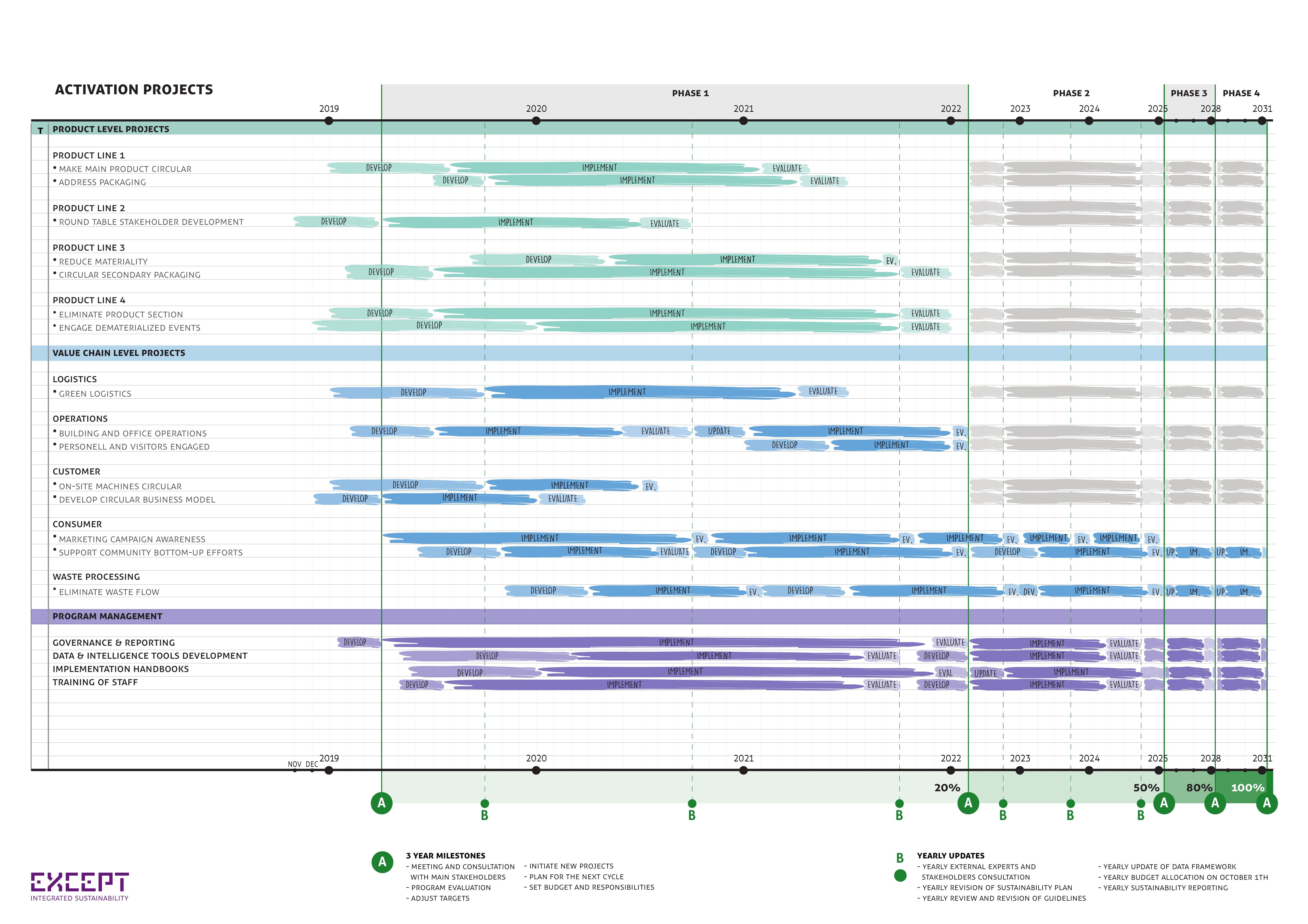
SiD's roadmapping approach provides investors with a Theory of Change: a directional guide rather than a prediction. The roadmap identifies which interventions create preconditions for later ones, allowing capital to be sequenced for maximum systemic impact. Early investments build infrastructure and awareness; later investments scale solutions that the earlier ones enabled.
System Boundaries for Investment
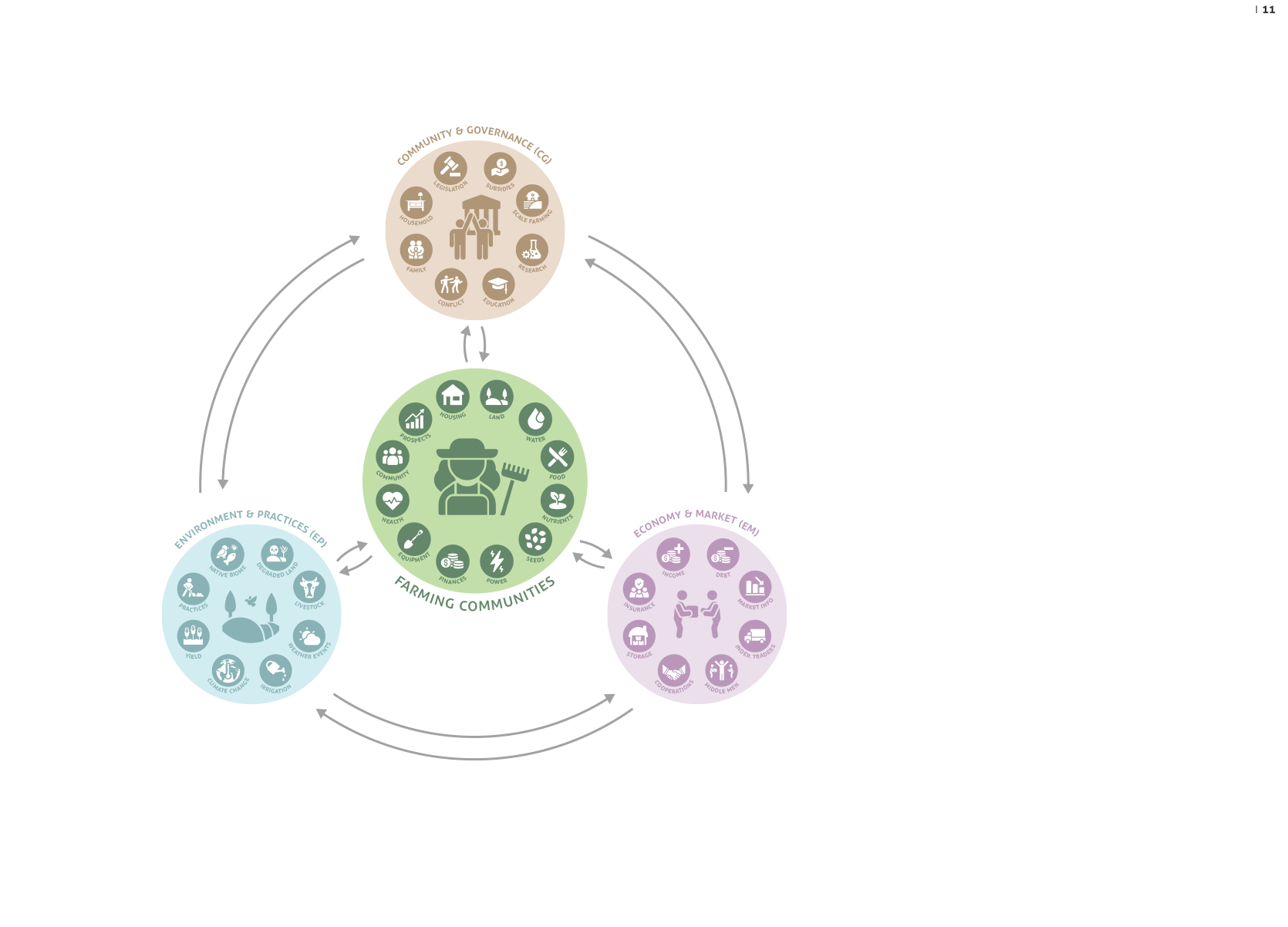
The system boundary concept is directly applicable to investment strategy. Narrow boundaries (single company, single product) yield narrow returns. Wider boundaries (industry sector, regional economy, full value chain) reveal intervention points where capital generates returns across multiple stakeholders and domains. The ELSI framework ensures that investment analysis covers environmental, ecological, social, and individual impacts rather than optimizing for financial return alone.