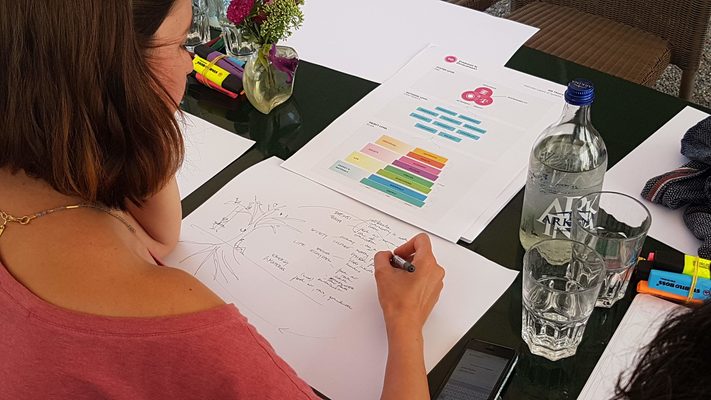
System Understanding
Step 3: Where Are We?
With the maps from Step 2 in hand, this step deciphers what they tell us and develops genuine understanding of where the system currently stands and what directions lead toward the goal. Outputs from this step feed directly into Step 4: Solutioning & Roadmapping.
Three Approaches to Understanding
Understanding complex systems requires more than analysis. The SiD method uses three complementary approaches:
Relax and Reflect. Take a walk. Let it rest. Just as Archimedes needed a bath for his Eureka moment, your brain needs mental rest to process complex systems in the background. After intensive mapping, allowing time for incubation often produces the most important insights.
Solutions often emerge naturally from deep understanding. The mind connects patterns subconsciously when given space to work.
Play and Learn. Serious gaming, simulations, and card-based exercises allow the team to explore system dynamics without real-world consequences. By manipulating variables in a safe environment, participants develop intuitive understanding of cause and effect.
Talk and Reconsider. Discuss findings with others, especially people unfamiliar with the project. Explaining complex systems to an outsider forces clarity and often reveals assumptions the team has taken for granted.
Climbing the Mountain
A useful mental exercise: walk from an object perspective to a systems perspective and back again. Raise your thinking from the material level via the interrelations of the network toward the systems level. From that vantage point, scan the horizon. Then descend to the object level with new insights. This vertical traversal across the SNO hierarchy reveals connections invisible from any single level.
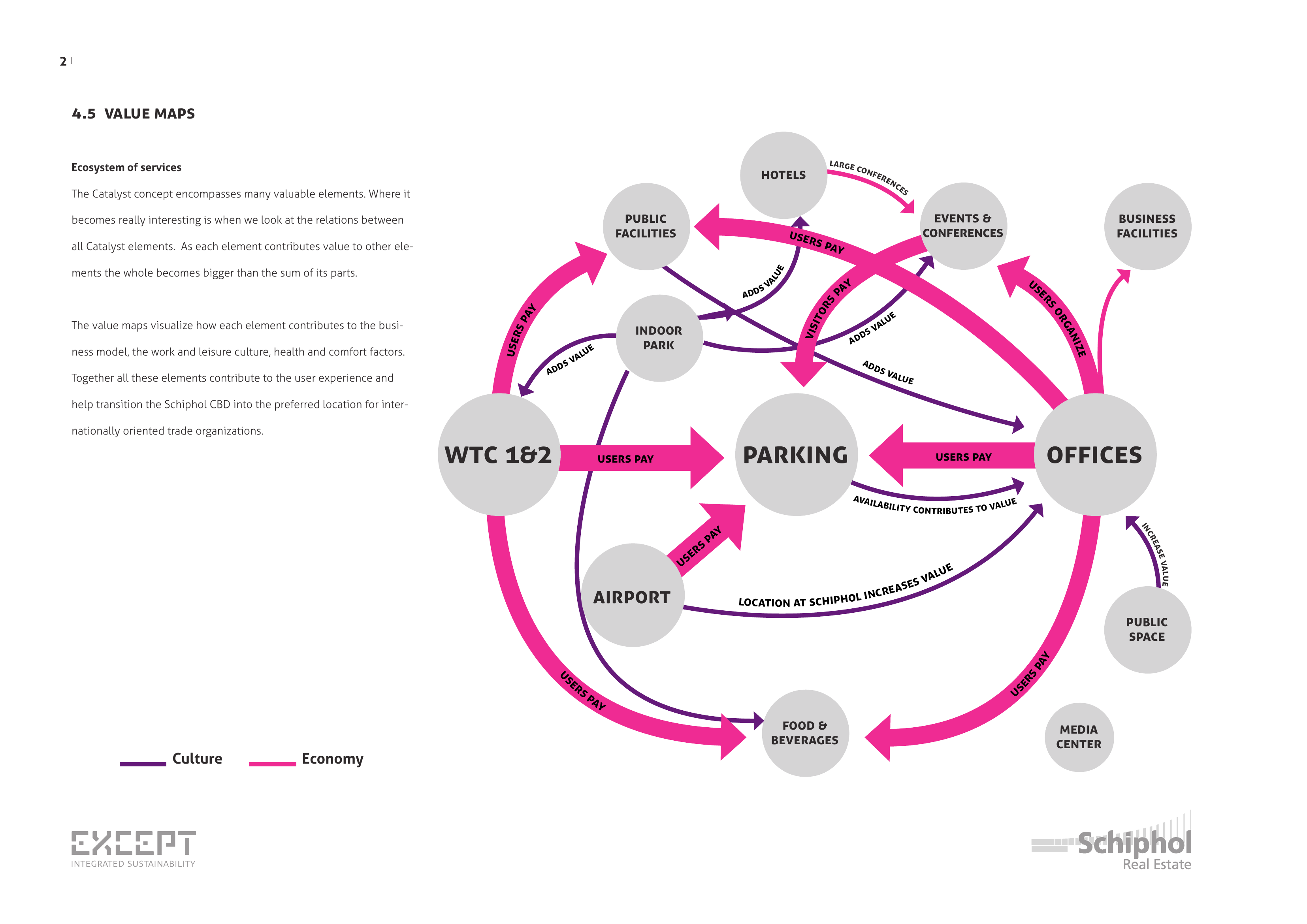
Pattern Recognition
The human mind is our best pattern recognition tool. Leverage it by:
Studying the maps. Look for recurring patterns, unexpected connections, concentrations of impact, and missing links.
Discussing with diverse perspectives. A biologist sees ecosystem dynamics; an economist sees market forces; a designer sees user needs. Together they see the whole.
Identifying system dynamics. Look for rebound effects, diminishing returns, exponential effects, and historical momentum.
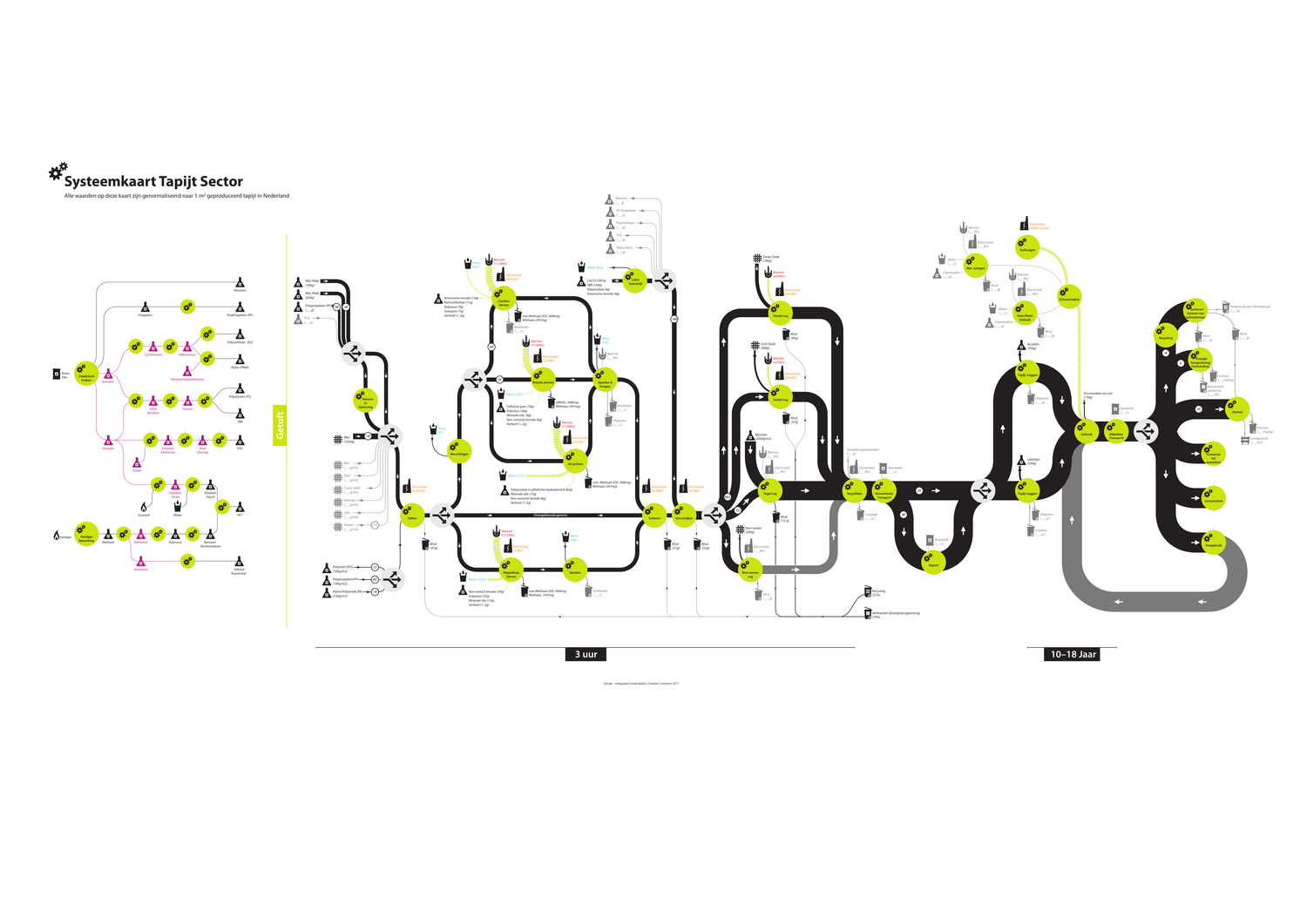
Finding leverage points. Where in the system would a small intervention create the largest positive ripple? The Twelve Intervention Points framework helps identify where to look.
Analytical Tools
The Viable Systems Model (VSM), developed by cybernetician Stafford Beer, is especially useful for rapid analysis of organizational structures, internal logistics, and supply chain complexity. Walk down SiD Road: probe each object, network, and system indicator with "what if" questions to stress-test your understanding before moving to solutions.