SiD and ESG
ESG and Sustainability: Complementary, Not Identical
ESG (Environmental, Social, and Governance) reporting and sustainability strategy are frequently conflated. They serve different purposes, address different audiences, and operate at different levels of systemic depth. Understanding the distinction is essential for any organization serious about long-term transformation.
What ESG Actually Is
ESG is a financial risk management framework designed primarily for investors. It evaluates how environmental, social, and governance factors affect a company's financial performance and risk profile. Major accounting firms have invested heavily in ESG services (KPMG alone invested over $1.5 billion in ESG services over three years), and reporting standards have proliferated: GRI, TCFD, SASB, ISSB, ESRS, among others.
ESG reporting tells investors whether a company is managing its exposure to environmental regulations, social license risks, and governance failures. This is valuable information. But it is not a sustainability strategy.
Where ESG Falls Short
Without a centralized, codified definition of exactly what sustainability means and how to measure it, ESG has become vulnerable to both genuine fraud and political weaponization. The greenwashing crisis illustrates the problem: when HSBC's head of responsible investing publicly questioned climate risk at an investor conference, and when Deutsche Bank was raided over greenwashing allegations, the credibility of the entire ESG framework was called into question.
The wider accusation that ESG investing is merely greenwashing remains valid as long as there are no centralized criteria to judge performance by. ESG measures financial risk exposure. It does not measure whether a company is actually contributing to a sustainable world.
Sustainability Strategy: A Different Framework
A sustainability strategy is a long-term transformation roadmap aligned with ecological and social boundaries. Where ESG asks "how do environmental factors affect our financial returns?", a sustainability strategy asks "how does our organization affect the systems it depends on, and how do we transform to operate within planetary boundaries?"
The milestones of sustainability thinking are different from ESG's: Limits to Growth (1972), the Brundtland Report (1987), Planetary Boundaries (2009). These are scientific frameworks, not financial ones.
How SiD Bridges the Gap
The SiD method provides the systemic framework that ESG lacks. Its five-step approach creates real transformation where ESG only measures:
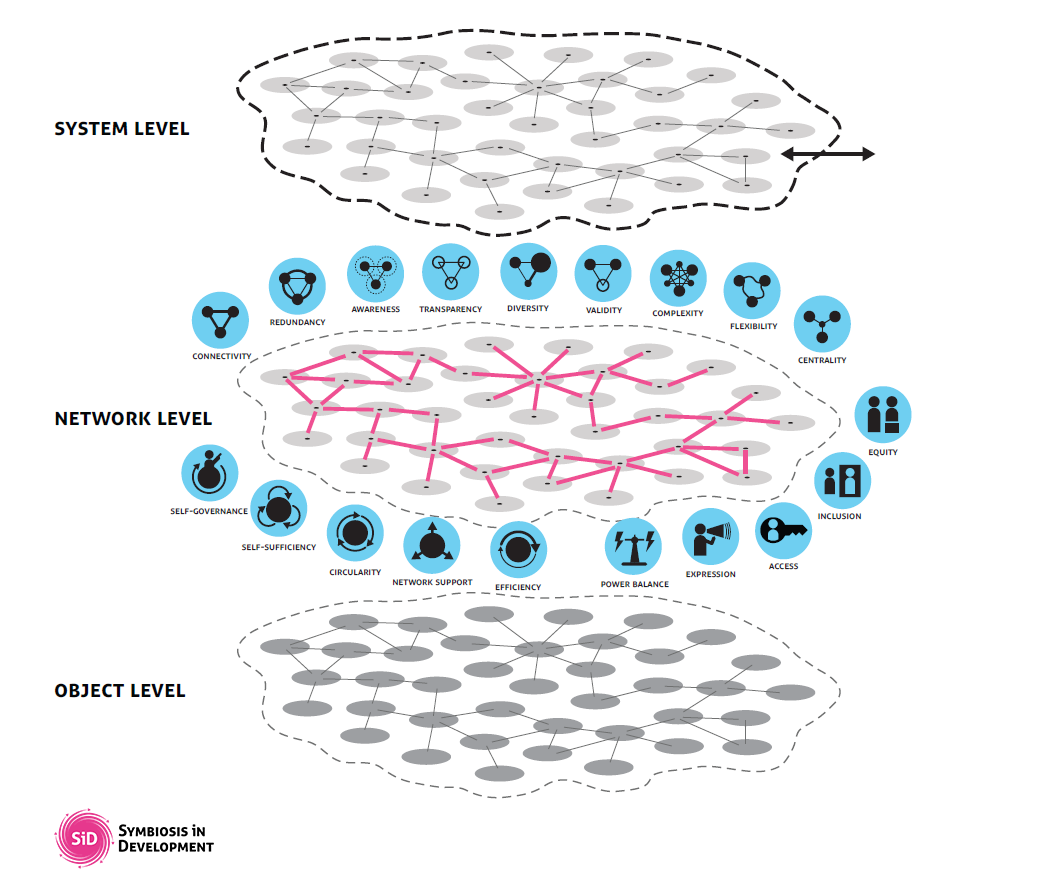
- System Mapping: Map the full system (not just financial materiality) using ELSI across all domains.
- Context-Based Goals: Set goals relative to ecological and social boundaries, not just relative to peers or historical performance.
- Stakeholder Co-Creation: Involve affected parties in solution design, not just disclosure.
- Transition Roadmap: Build a 20 to 30-year transformation pathway with milestones, not annual reporting cycles.
- Implementation with Feedback Loops: Continuously adapt based on system response, not static targets.
ESG reporting can serve as one input to SiD's system mapping step. The two frameworks are complementary: ESG provides financial materiality data; SiD provides the systemic analysis and transformation pathway that turns reporting into action.
Single, Double, and Triple Materiality
The evolution from single materiality (how sustainability issues affect the company) through double materiality (how the company also affects society and environment) toward triple materiality (how systemic risks cascade across interconnected systems) mirrors SiD's approach. The ELSI framework has always operated at the triple-materiality level, analyzing causal dependencies across all domains rather than treating environmental, social, and economic factors as separate reporting categories.