Solution Phase
From Understanding to Action
The Solution Phase refines understanding from the Intelligence Phase into concrete, actionable roadmaps. This is where the most promising directions get detailed and tested before moving to the Execution Phase.
Session Design
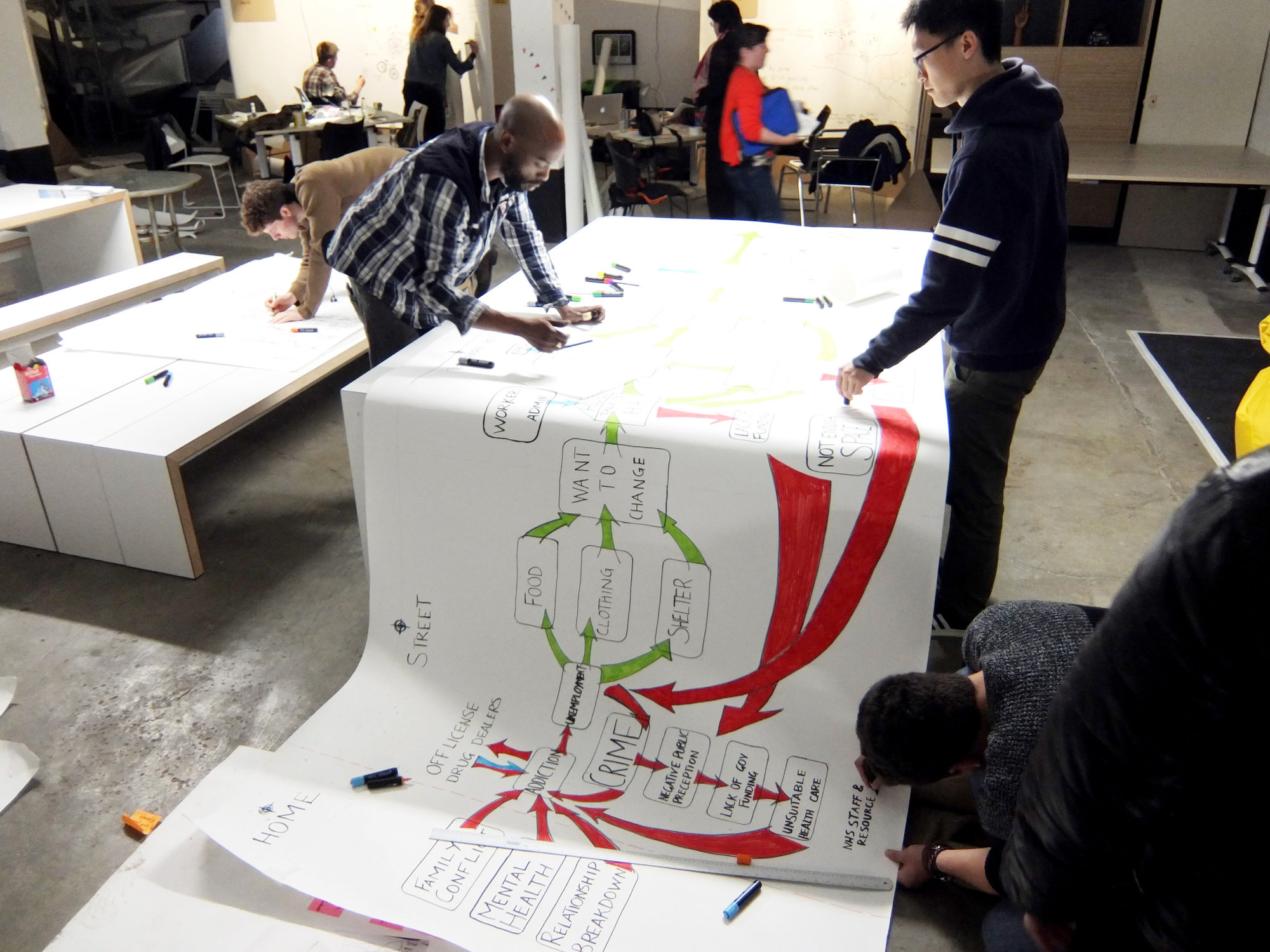
Solution sessions work best when five days long, ideally with six to seven people (maximum eight), including a dedicated facilitator. Hold sessions in an unfamiliar location, preferably a natural setting with overnight stays. The room should be large, with drawing materials, all research pinned to the walls, fast internet, a projector, whiteboards, and plenty of fruit and water.
A typical five-day session follows this rhythm:
- Day 1: Introductions, goal review, scan all pre-made data and maps.
- Day 2: Build system maps in small groups, evaluate findings, identify initial insights.
- Day 3: Revisit maps, go on a nature walk (the understanding step), commit new ideas to paper.
- Day 4: Develop solution pathways, build a roadmap with short-term actions and long-term vision.
- Day 5: Evaluate, refine, divide roles, create action plan.
Solution Development
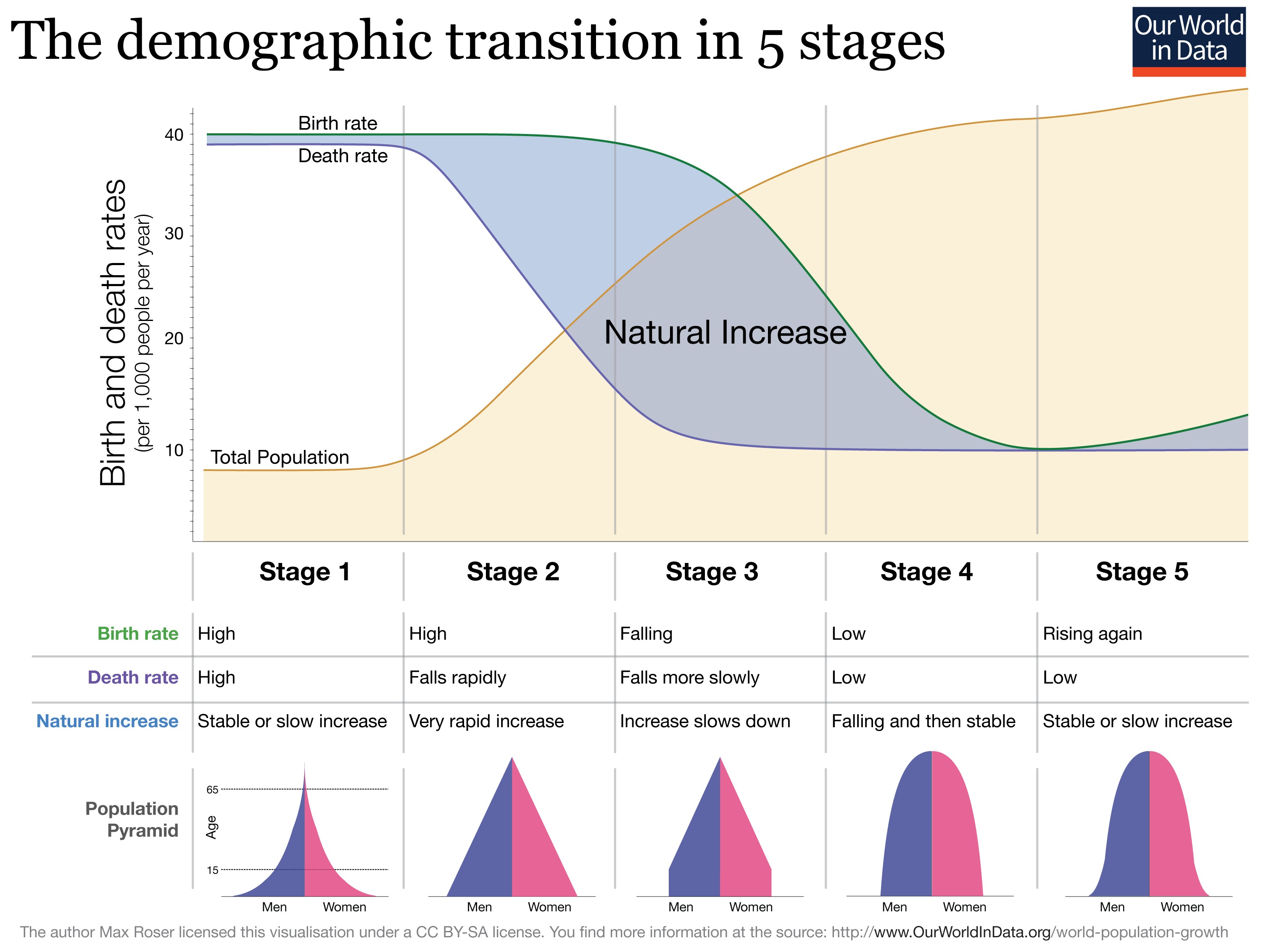
Leverage point identification: Based on system understanding, find where small interventions create the largest positive ripple effects.
Creative solutioning: Use brainstorming, design thinking, biomimicry, and other creative methods to generate a rich set of possible interventions.
Solution evaluation: Test proposed solutions against system-level goals, network parameters, and ELSI indicators. Check for rebound effects, lock-in risks, and unintended consequences.
Integration: Combine individual solutions into coherent strategies where interventions reinforce each other.
Roadmap Construction
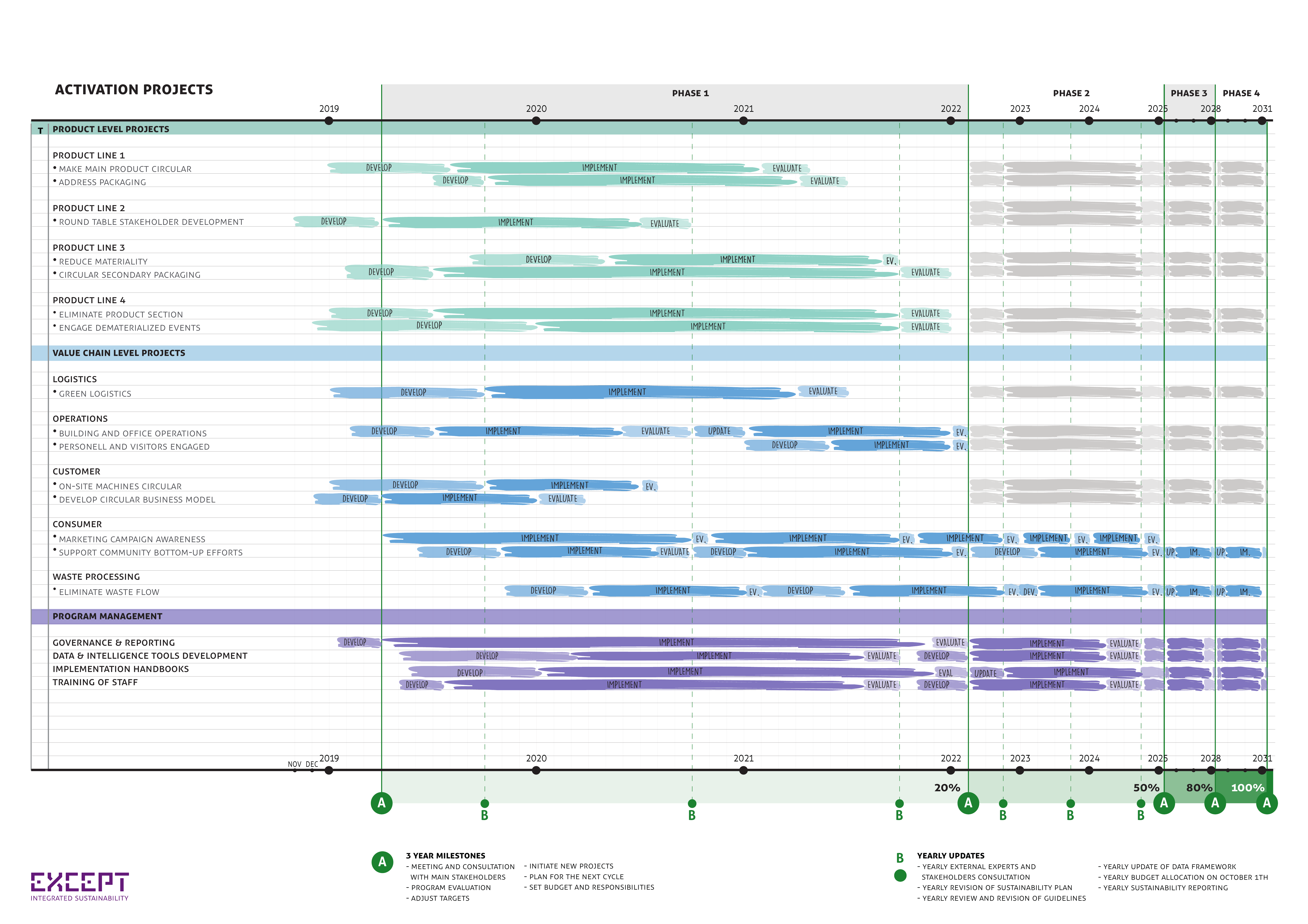
The final roadmap plots all interventions along a timeline, typically spanning years or decades. Each intervention is classified by type (Change, Start, Stop, Replace), sequenced for maximum synergy, and connected to milestones and evaluation points. A good roadmap is not a rigid plan; it is a flexible framework that accommodates adaptation as the system responds to early interventions.
Documentation
Make a complete summary document in the first week after the session. Capture not just decisions and roadmaps but the reasoning behind them, the patterns identified, and the debates that shaped choices. This documentation becomes essential when the team revisits decisions months later during execution.