
Twelve System Intervention Points
Donella Meadows' Leverage Points
In 1999, systems scientist Donella Meadows published "Leverage Points: Places to Intervene in a System," identifying twelve places where interventions can change system behavior, ranked from least to most effective. Understanding these points helps prioritize where to focus in Step 4: Solutioning & Roadmapping.
12. Constants, parameters, numbers
Tax rates, subsidy levels, minimum wages. The most common interventions, but usually the smallest systemic effect.
11. Buffer sizes
The capacity of stabilizing stocks relative to their flows. Larger buffers absorb shocks but slow response times.
10. Material stocks and flows
The physical structure of the system: infrastructure, inventories, populations.
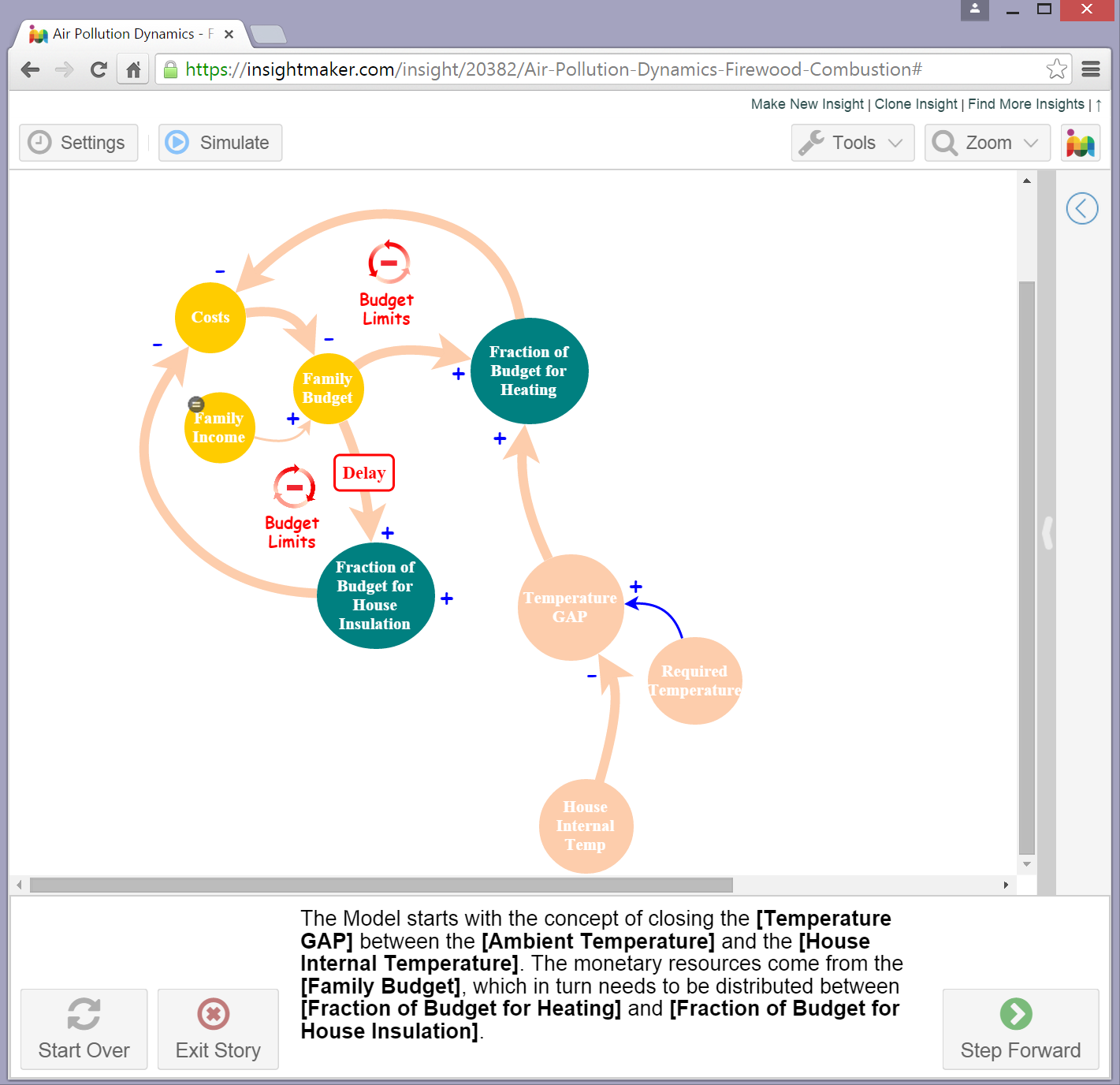
9. Delays
The length of time relative to system change rates. Delays cause oscillation, overshoot, and collapse.
8. Balancing feedback loops
The strength of loops that maintain stability. Weakening enables change; strengthening provides stability.
7. Reinforcing feedback loops
The gain around driving loops. Reducing vicious cycles or enhancing virtuous ones creates leverage.
6. Information flows
Who has access to what information. Making information visible to the right people can dramatically shift behavior.
5. Rules
Incentives, punishments, constraints. The rules determine which behaviors are rewarded and which are punished.
4. Self-organization
The power to add, change, or evolve system structure. Systems that can reorganize themselves are far more resilient.
3. Goals
The purpose or function of the system. Changing the goal changes everything the system does.
2. Paradigms
The mindset from which the system arises: shared beliefs and assumptions. Paradigm shifts are the most powerful transformations.
1. Transcending paradigms
Remaining flexible about paradigms themselves — recognizing that no paradigm is "true" and choosing paradigms based on usefulness.
Application in SiD
Meadows' leverage points map naturally onto the SiD SNO hierarchy. Points 12–10 correspond to the object level, points 9–6 to the network level, and points 5–1 to the system level. SiD's emphasis on working at the system level aligns precisely with Meadows' insight that the highest-leverage interventions are the most abstract — and the most powerful.
"People who manage to intervene in systems at the level of paradigm hit a leverage point that totally transforms systems." — Donella Meadows