Initiation Phase
Every project begins with initiation: the phase where you frame the challenge, assemble the right people, and design the path ahead. A good start is half the work. In the initiation phase, the foundation is laid for everything that follows. Get this wrong, and no amount of brilliant analysis will save you. Get this right, and the project has momentum from day one.
The initiation phase contains all the elements required to plan, prepare, and launch a SiD project. For large projects, it culminates in a formal kickoff event where the full team comes together, aligns on direction, and begins work. For small projects, it may take no more than an afternoon of focused preparation.
The Initiation Steps
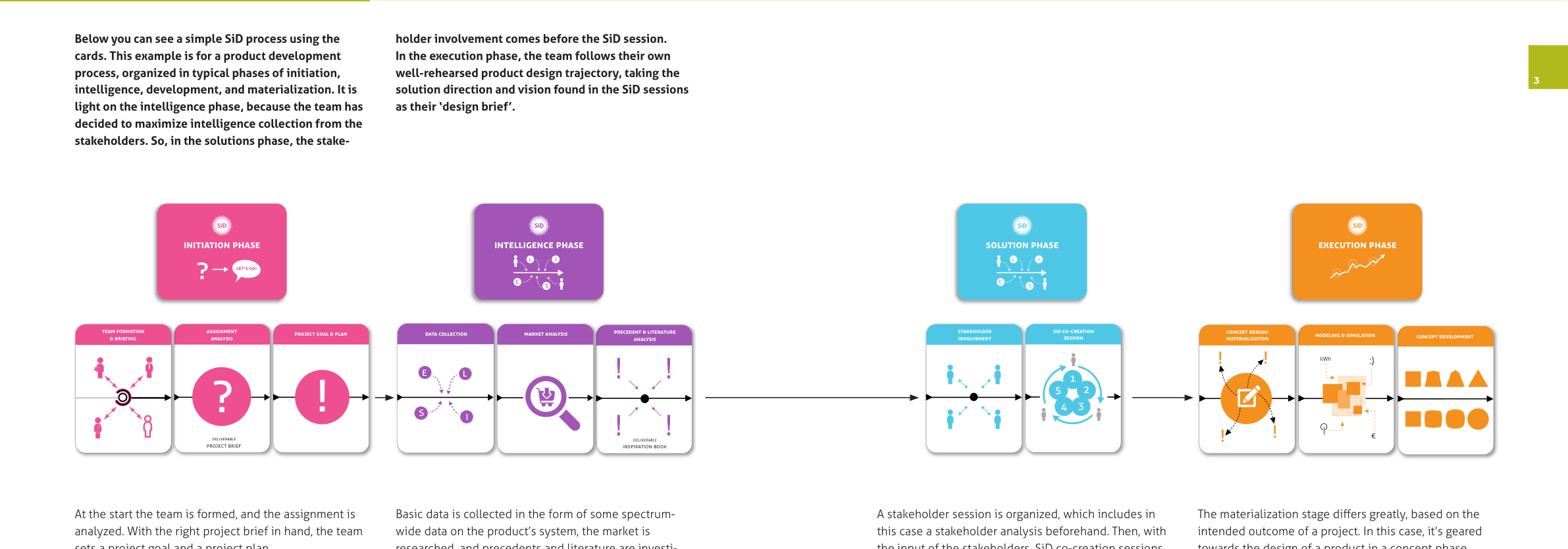
The initiation phase typically includes four steps:
- Team formation
- Assignment analysis
- Project goal and plan
- Kickoff
The deliverables at the end of this phase are: an aligned multidisciplinary team, a clear project goal, and a documented project plan.
Step 1: Team Formation
Having the right people at the table as early as possible is vital. It matters that the team is aligned on all major decisions from the start. That is why team formation happens first.
The core team consists of the people who work on the project from start to finish. It is distinct from external experts, stakeholders, the client, or partners who interact with the process at specific points. However, the core team usually includes at least one client representative to maintain alignment.
Size. Four to eight people for most projects. With four to eight well-chosen people, you can change the world in a month. Beyond eight, the management overhead grows faster than the productive capacity. For larger groups, split into sub-teams of four to six, each with their own manager, under a single project director.
Composition principles:
- At least one scientific/analytical mind, one creative mind, and one business/connectivity mind
- Complementary domain knowledge (not duplicating expertise, but covering the spectrum)
- Mixed cultural backgrounds, age ranges, and gender
- All members must be strong team players who can give and receive feedback constructively
- Generalists over specialists for the core team; bring specialists in for targeted consultation
Team priming. If team members do not know each other well, spend time building connection before diving into content. Share personal stories. Go out together. Have each person bring an object that represents their perspective on the world. This investment in social cohesion pays dividends during the intense working sessions later.
Step 2: 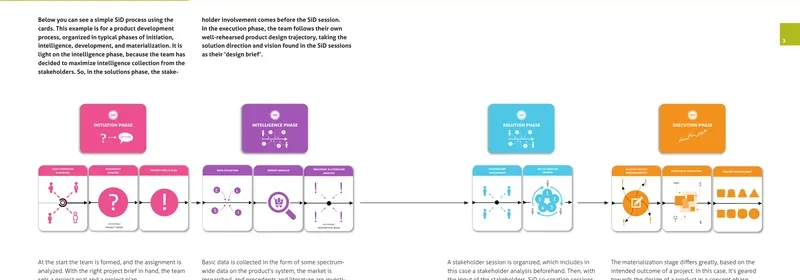 Assignment Analysis
Before the full team begins work, the project manager performs a systematic assessment of the project. This is a quick scan to determine what the project requires so the team can be properly briefed, the right tools assembled, and the process designed.
Questions to answer during assignment analysis:
- What is the project about, at its core?
- How long will it take?
- How many people are needed?
- What facilities, materials, and tools are required?
- What role will the client or partners play?
- What are the desired end results and deliverables?
- What are the edge conditions: time, budget, facilities, legal constraints?
- How will contingencies be dealt with?
The output is a project brief that gives every team member the information needed to start working. If the project involves independent contractors, this is also where preliminary agreements on responsibilities, budget, and roles are drafted.
In a consulting context, this is the proposal stage. A quick assessment is made in a few hours, documented, and communicated to the client. If agreed, the next phase works out details in collaboration with the client. It is imperative that the client understands their responsibilities in a collaborative process: data delivery, stakeholder access, decision-making participation.
Step 3: Project Goal and Plan
Goal setting here is about the project process, not the project subject. You are answering: how long will this process take, what resources will it use, and what conditions will it work under?
Start with concrete edge conditions:
- Time frame for the process
- Number and frequency of milestone meetings
- Expected format of deliverables
- Available budget
- Areas that can or cannot be influenced
- Confidentiality requirements
- Stakeholder engagement boundaries
A first attempt at a system-level goal for the project content can be made here, using the performative goal-setting principles from the method. This sets the tone and direction. For larger projects, a rough system-mapping session of one to two hours with the team can help explore the challenge and find the right language for the context.
Be aware that client briefs are usually object-oriented and prescriptive. Internally, always translate to system-level performative goals. The brief's requirements become project boundaries. The goal operates at a higher level. When reporting back, translate results into the client's framework and language.
Step 4: Kickoff
After the team is formed, the brief is ready, and the process is designed, gather everyone for a kickoff event. The PM brings together the core team, client representatives, and critical external partners in one meeting.
The kickoff serves several purposes:
- Alignment. Everyone hears the same briefing, goals, and expectations at the same time.
- Connection. Team members who do not yet know each other begin building working relationships.
- Ownership. Even team members whose primary role comes later in the process feel included from the start. This prevents disengagement and ensures they can contribute perspective throughout.
- Context immersion. For spatial projects, combine the kickoff with a site visit. For organizational strategy, tour the headquarters or production facilities. Physical immersion in the project context is far more powerful than any presentation.
Include team members with later-stage roles. They should be present from the start so they understand the full arc of the project, even if their main contribution comes months later. This also means their perspective is available during early decisions that will shape their later work.
After the kickoff, the project moves into the Intelligence phase.

This knowledge is free because of our supporters. Join them.
Found a problem? Log in to report an issue.