SiD and the SDGs
Where This Fits
The previous units introduced what SiD is and the RAH indicators. This unit places SiD alongside another widely used sustainability framework: the UN Sustainable Development Goals. It explains how SiD and the SDGs complement each other, and where the SDGs fall short on their own.
SiD and the UN Sustainable Development Goals
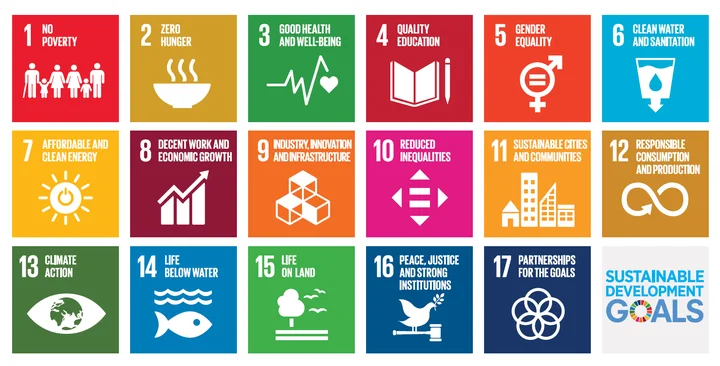
The United Nations published its list of Sustainable Development Goals (SDGs) in 2015, as part of its 2030 agenda. We introduce these here, as they come back throughout the book in various forms.
When the SDGs were released, we were thrilled to see that they emphasize a holistic approach to sustainability with 17 global challenges to achieve a sustainable society. The list shows, as SiD argues, that sustainability is a challenge that goes beyond mere energy and material concerns. The SDGs are powerful for communicating and reporting this, and tools to support them are under development around the world.
SiD is used to analyze SDG impacts, organize and process to develop solutions for them, and as a reporting framework for the SDGs. Or, in reverse, the SDGs can be used as a goal framework to guide a SiD development process. The SDGs are also a helpful reporting framework, to communicate the impacts of your projects.
Limitations of the SDGs as a Framework
The SDGs have several limitations as a standalone framework:
- They do not (yet) have clear corresponding goals for all targets
- They do not show interrelations between SDG areas
- They do not provide a working framework to achieve improvement
- Each individual SDG is object-oriented, even though the set as a whole is systemic
This means the SDGs are most useful as a set of areas of concern, a sub-goal set, or a reporting framework. Useful for policy and goal setting, but not as a framework for systemic improvement.
A Working Framework for the SDGs
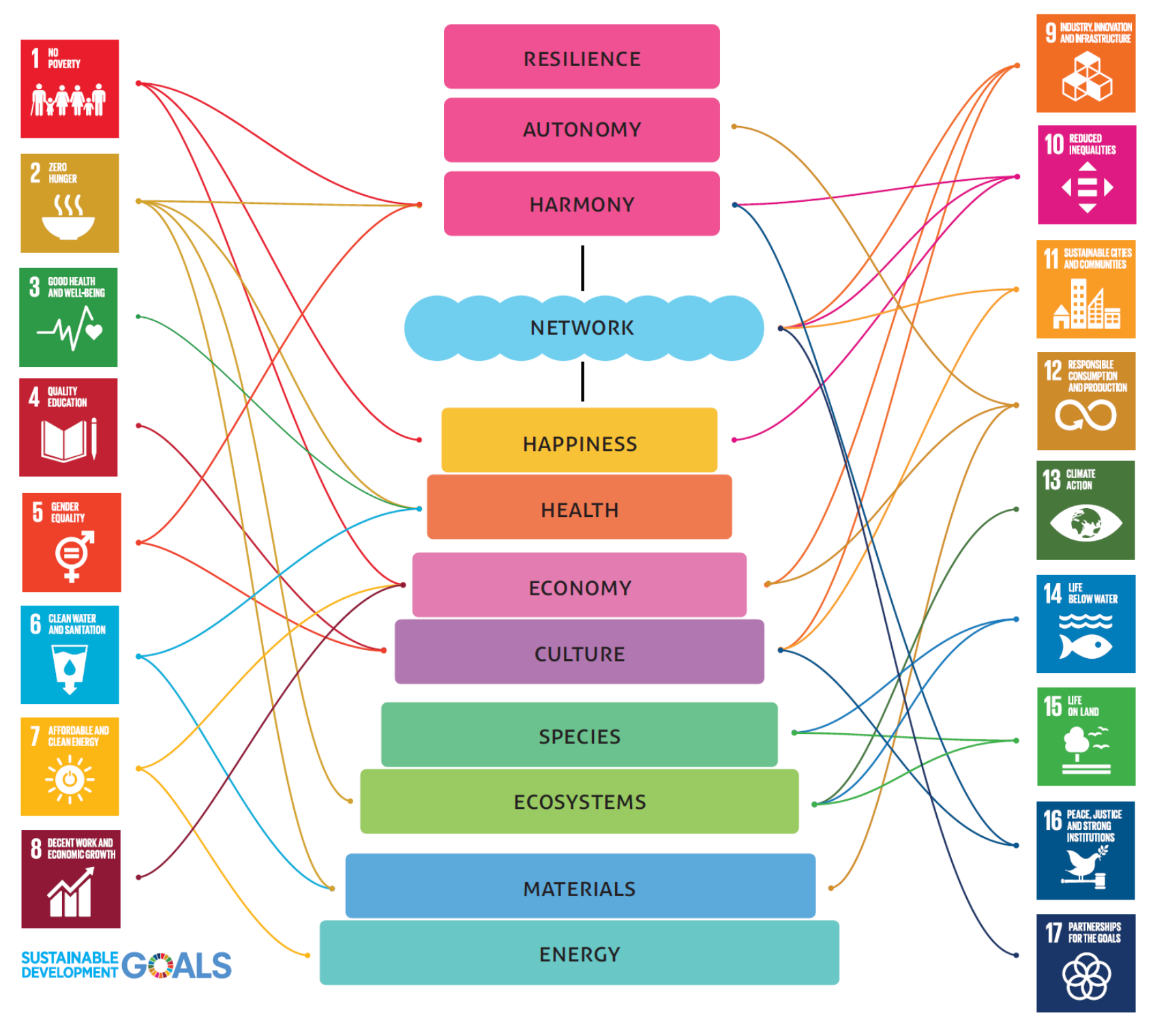
In order to actually work towards improvement on the SDGs, we need a working framework. This is where SiD comes in. SiD can explore the SDGs given a certain challenge, map their impacts, and detect interrelations on a systems level. Beyond that, SiD can show the system dynamics behind them, and their network of interrelations.
From this, powerful systemic solutions can be found that positively affect multiple SDG areas at once. In the process, SiD guides you to find and plan activities to make a lasting long-term impact on the SDGs, and beyond, towards resilient, harmonious, and autonomous societies.
SDG Impact Scans
For determining the impact of organizations on the SDGs, and help reporting and impact improvement, Except started development on custom-built SiD SDG scans. These include custom indicator sets for specific industries, and data collection tools. This is an ongoing effort, as well as SDG impact scans for cities and sectors such as agriculture.
There is still a long road to walk to achieve this. The next years will see effort from parties around the globe to start working on new tools that help to achieve positive results on the SDGs. Keep an eye out, as they may be valuable for SiD processes and other integrated sustainable developments.
Takeaway
The SDGs provide a powerful communication and reporting tool for sustainability. SiD provides the working framework to actually achieve improvement across those goals. Together, they form a practical combination: SDGs for setting targets and reporting, SiD for systemic analysis and action.
This knowledge is free because of our supporters. Join them.
Found a problem? Log in to report an issue.