What is Sustainability?
What is Sustainability?
Every decade or so, a product arrives that promises to fix sustainability overnight. It never does. The pattern is worth understanding before we go any further, because it reveals the single biggest mistake in how people think about sustainability: staring at the object instead of the system.
Consider two inventions that illustrate this perfectly: the compact fluorescent light bulb and bioplastic packaging.
 The Light Conundrum
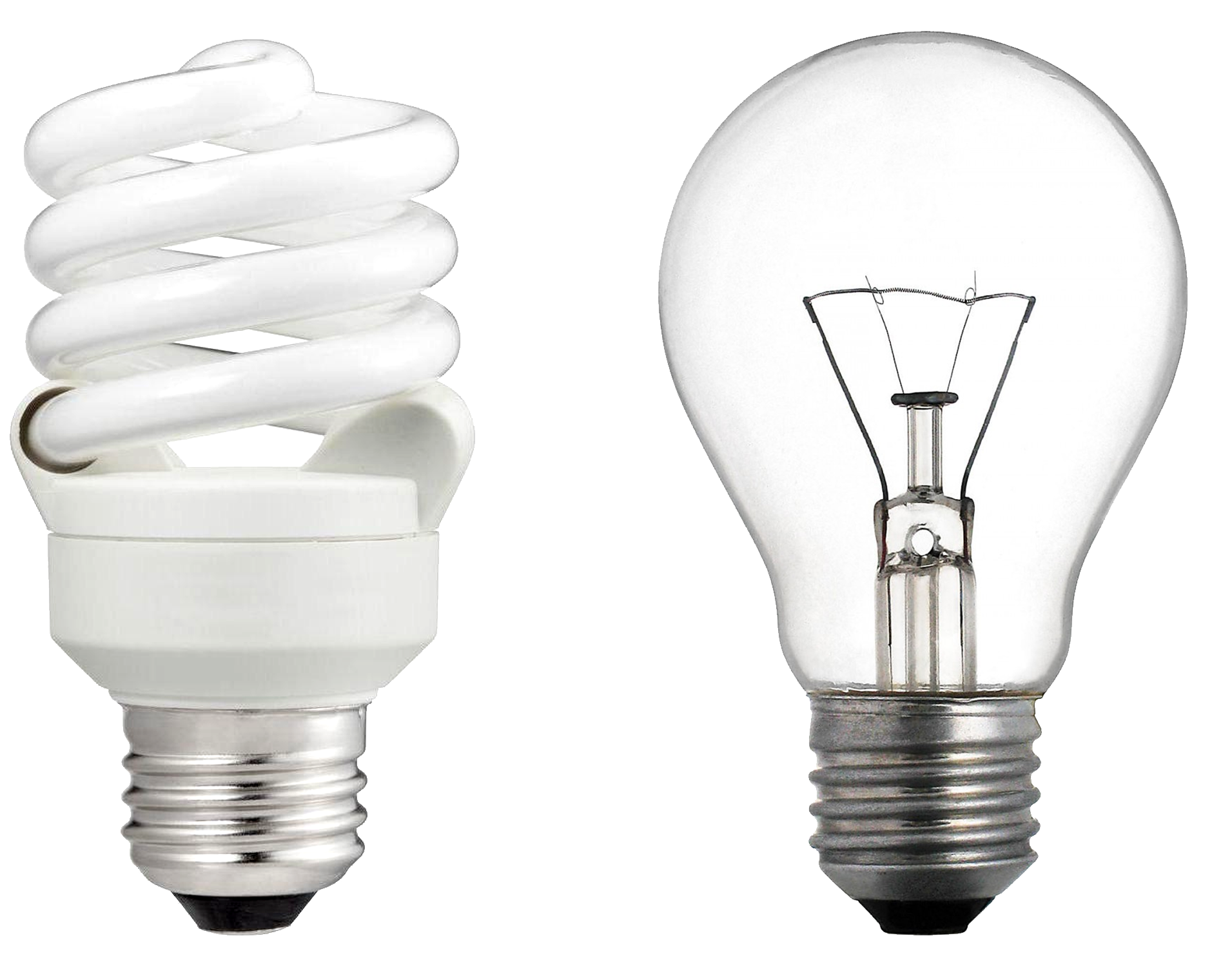
Artificial light is essential to civilization. It extends our working day, increases productivity, improves safety. But these little fake suns come at a serious energy cost. As society expands, so does the burden. In 2009, the European Commission banned the tungsten filament bulb, the trusty mini sun that lit our homes for over a century, because it emits most of its energy as heat rather than light. The only alternative at the time was the Compact Fluorescent Light (CFL), marketed as a power-saving miracle.
Few of us knew that CFLs use mercury vapor, a highly neurotoxic substance. Even the most perfect recycling program will not prevent some lamps from breaking, releasing mercury into our environment and our bodies. For the sake of energy savings, we introduced a toxic substance we spend enormous effort trying to eliminate elsewhere. This is "trading pain": save some energy, damage our health and ecosystems. CFLs can be beneficial depending on energy source and usage patterns, but substituting one thing for another is not a sustainable act. It is an object-oriented solution to a systemic problem.
In Rotterdam, over 200,000 incandescent bulbs were swapped for mercury-containing CFLs in social housing. It was hailed as a huge success. It turned out to be an environmental disaster: trading energy savings for bioaccumulative mercury contamination. As Tom Bosschaert later reflected: "It would have been better if we did nothing at all. And I didn't want to have that feeling ever again." That incident became the foundation for the SiD methodology.
Thankfully, we have good LEDs now. But the lesson remains.
Bioplastic: Not So Fantastic
Bioplastic is another invention that promised to improve sustainability performance overnight. As with most object-oriented solutions, there is no free lunch.
First, bioplastics end up in existing recycling streams. Being a different type of material (but hard for consumers to differentiate), they degrade the quality of plastic batches, crashing recycling performance.
Second, bioplastics do not dissolve when thrown in nature. They require industrial composting under pressure and elevated temperatures. The plastic waste crisis haunting our oceans and landscapes is not anywhere closer to being solved by using them. Bioplastics need their own separated, controlled recycling stream to perform well, and this infrastructure barely exists.
Third, some feedstock for bioplastics comes from land that could otherwise grow food. Food is a more critical resource than waste-plastic, so we are trading productive land for waste.
Bioplastics can be useful, but only when applied in a systemically appropriate way.
The Pattern
Both examples reveal the same mistake: looking at the object rather than the system. A "sustainable" light bulb or a "sustainable" plastic bag. The word "sustainable" used as an adjective for a noun. As Tom puts it: "The sustainable toothbrush... the toothbrush itself is irrelevant. It is about its impact on the society that you live in."
The problem is that our language is object-oriented and our education is reductionistic. We are trained to look at things, not at the relationships between things. This is not how reality works, and it is the root of most sustainability failures.
Why Vague Definitions Are the Root Problem
Ask ten people what sustainability means and you get ten different answers. Recycling. Renewable energy. Saving biodiversity. Population control. Climate action. As one of the most important words of the last few decades, sustainability drives programs and initiatives across every sector. Yet there is little solid ground when you investigate what sustainability exactly is.
Since the start of this century, the word has eroded. It is now used in virtually every marketing strategy, political speech, and product label. Because its use is so often abused, and we are all getting tired of it, the word is losing its meaning and power. Many "sustainable" developments are not sustainable at all, often due to a lack of understanding rather than nefarious intent.
Worse, time has shown that well-intentioned sustainability measures frequently make things worse. There are regulations on power saving, in the name of sustainability, that produce increased environmental toxicity. Some recycling practices burden developing countries and hurt social equality. Many certifications and labels seem to invent their own reality and do more harm than good. Almost no one has the tools to separate the wheat from the chaff.
Next time you see a disposable bag claiming to be a "sustainable product," realize that both the word and you are being made a fool of.
The vagueness in understanding the very foundation of sustainability is a large part of the problem. If few people know what something is, how could you hope to achieve it? Imagine two people trying to build a house together, but with a different understanding of what the house should be. It would be a disaster. Without a shared, precise definition, the whole endeavor is rudderless.
So why is the term so elusive? In part, history. In part, complexity. We will address both.
Further Reading
Related Reading
- Read more: What is Sustainability?
← Introduction to the Theory · The Sustainability Timeline →
This knowledge is free because of our supporters. Join them.
Found a problem? Log in to report an issue.